
Last updated November 22, 2026
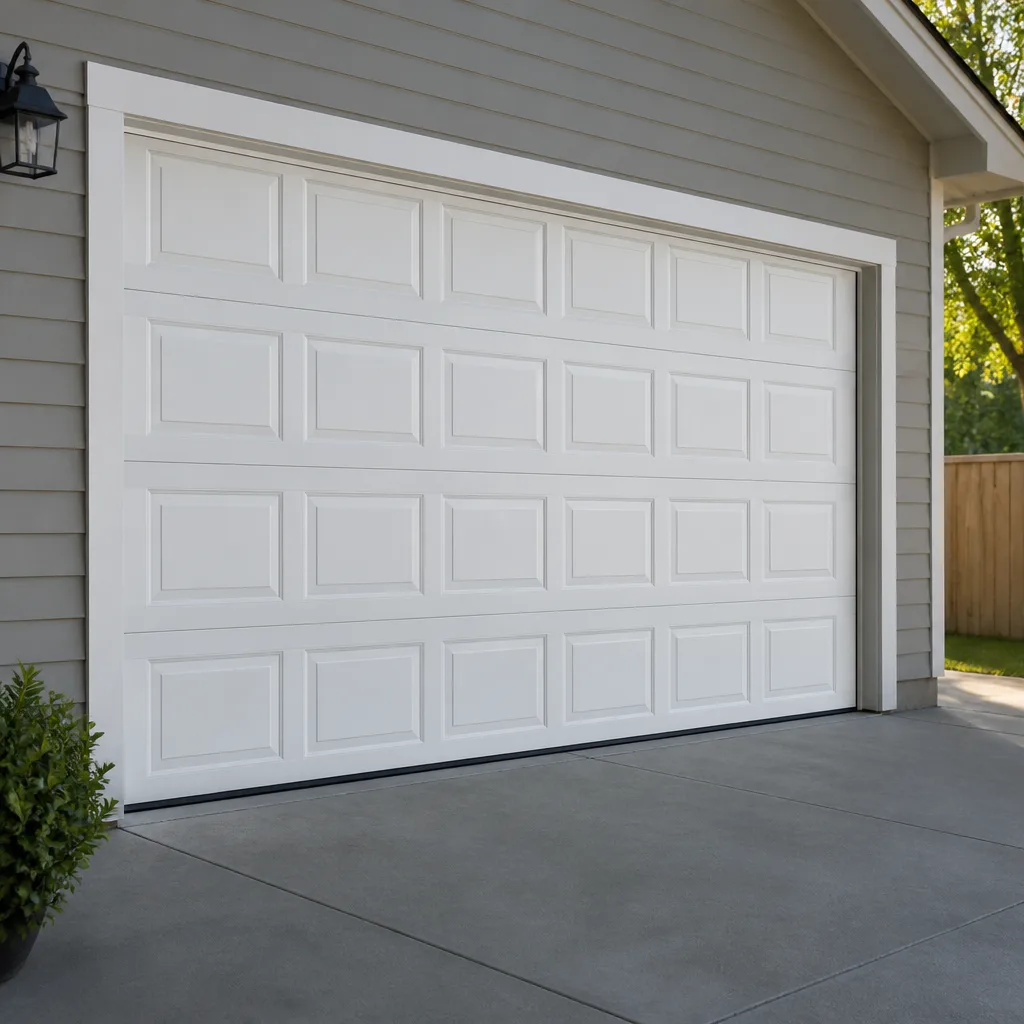 Raised-panel steel
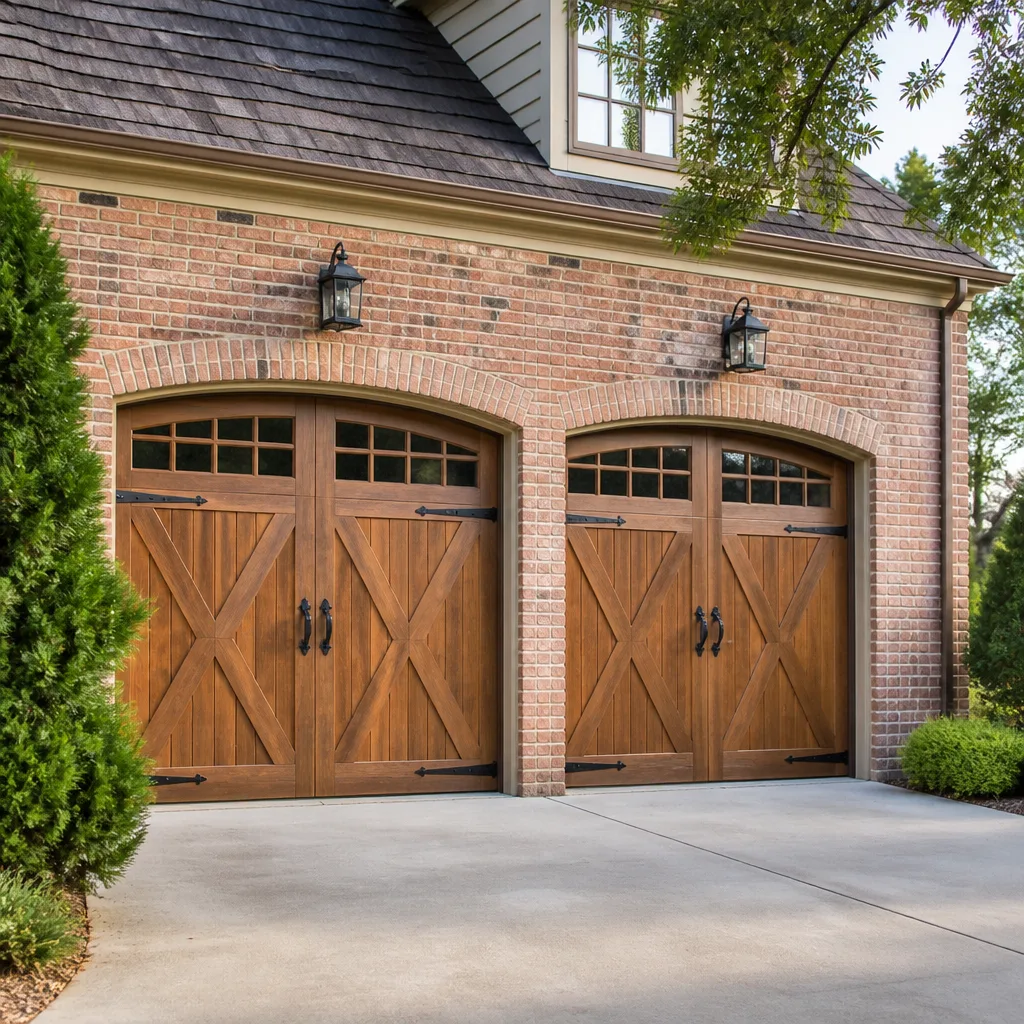 Carriage house
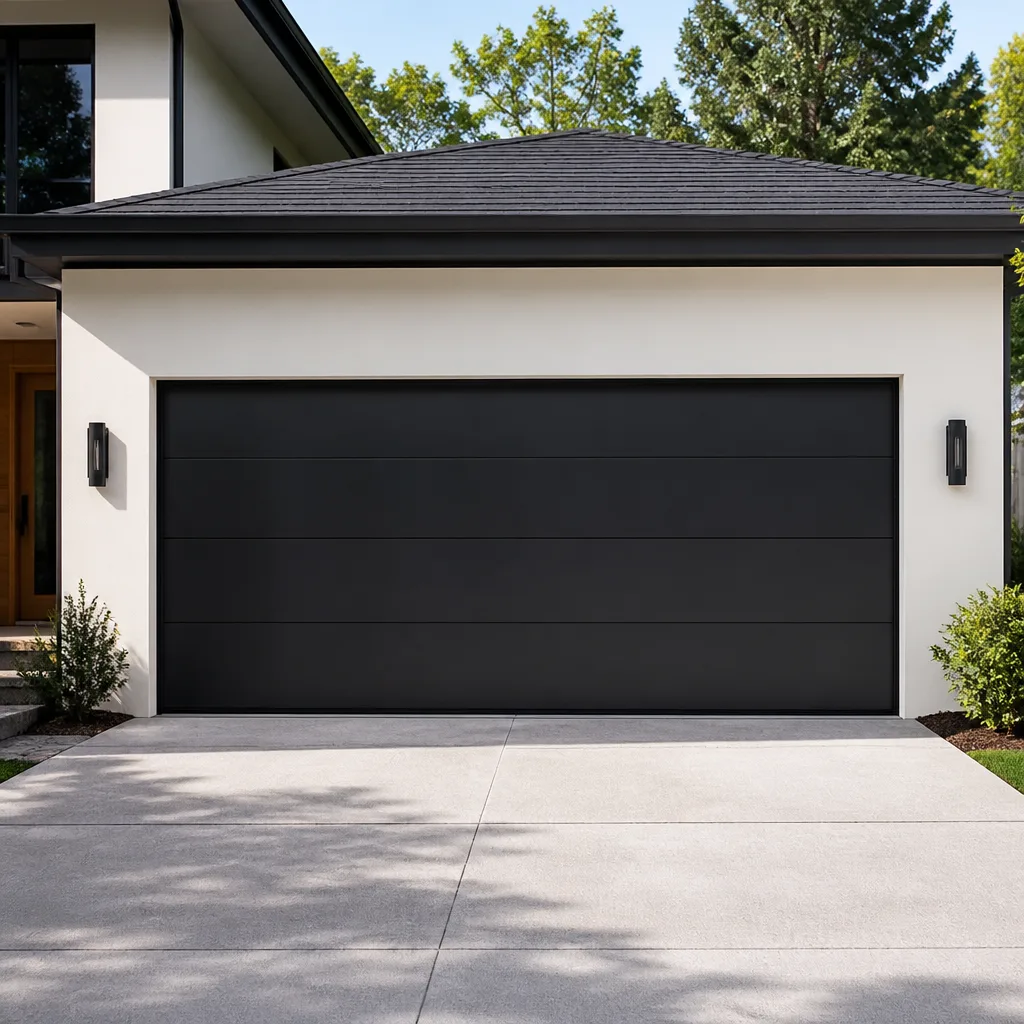 Modern flush
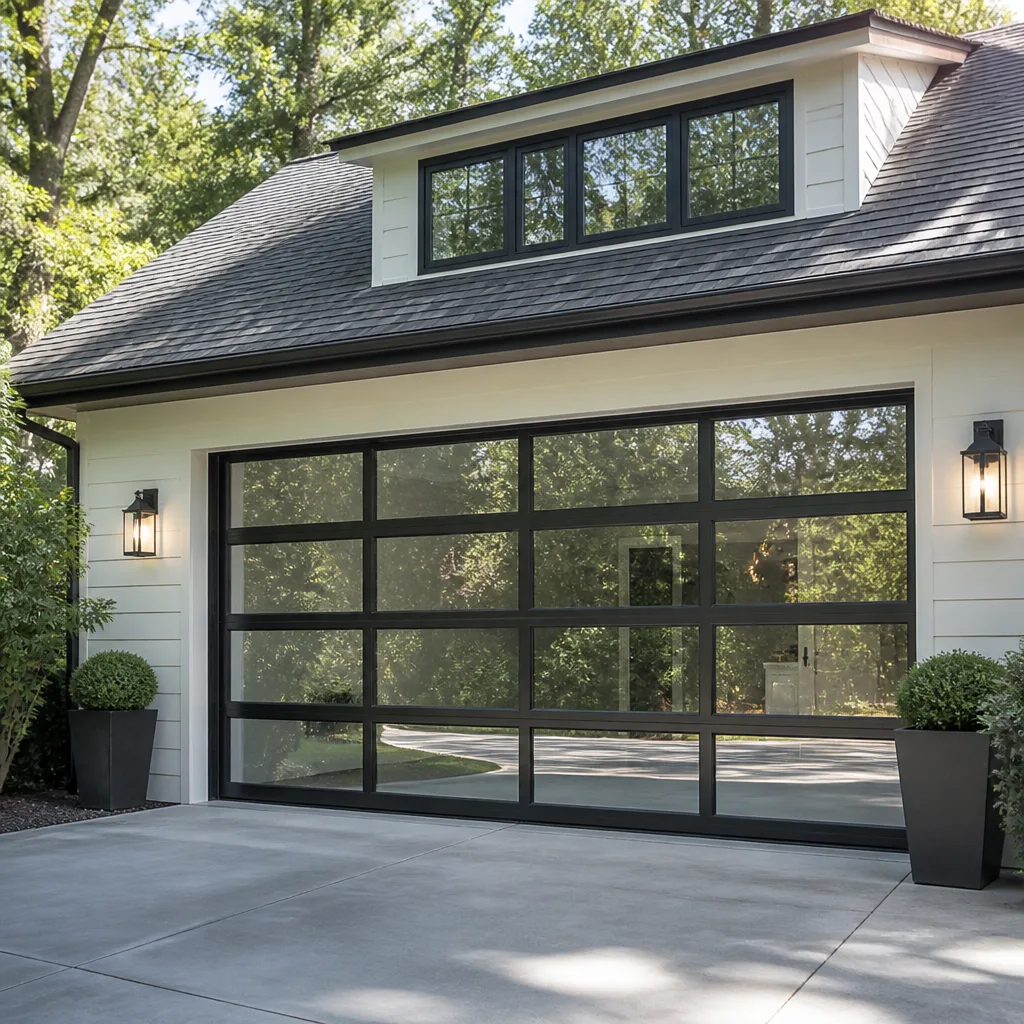 Full-view glass
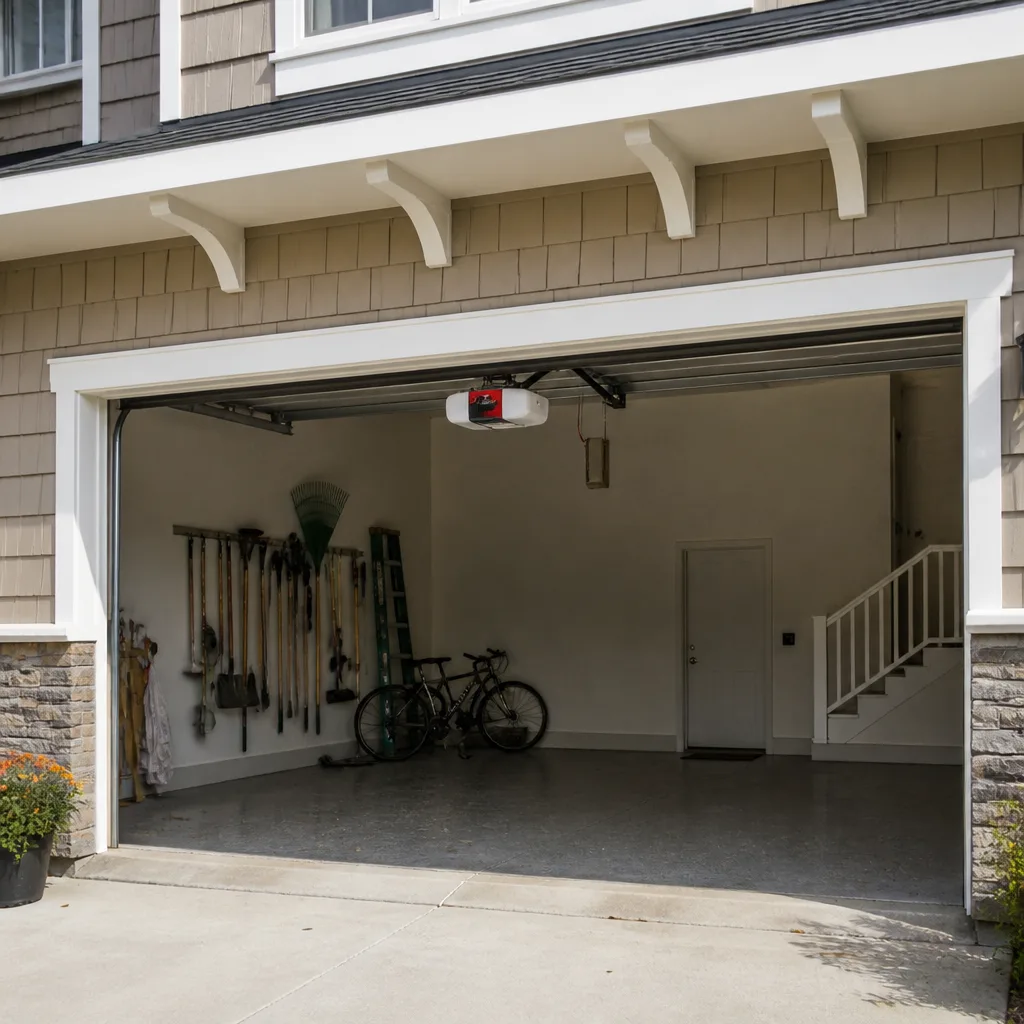 LiftMaster openers
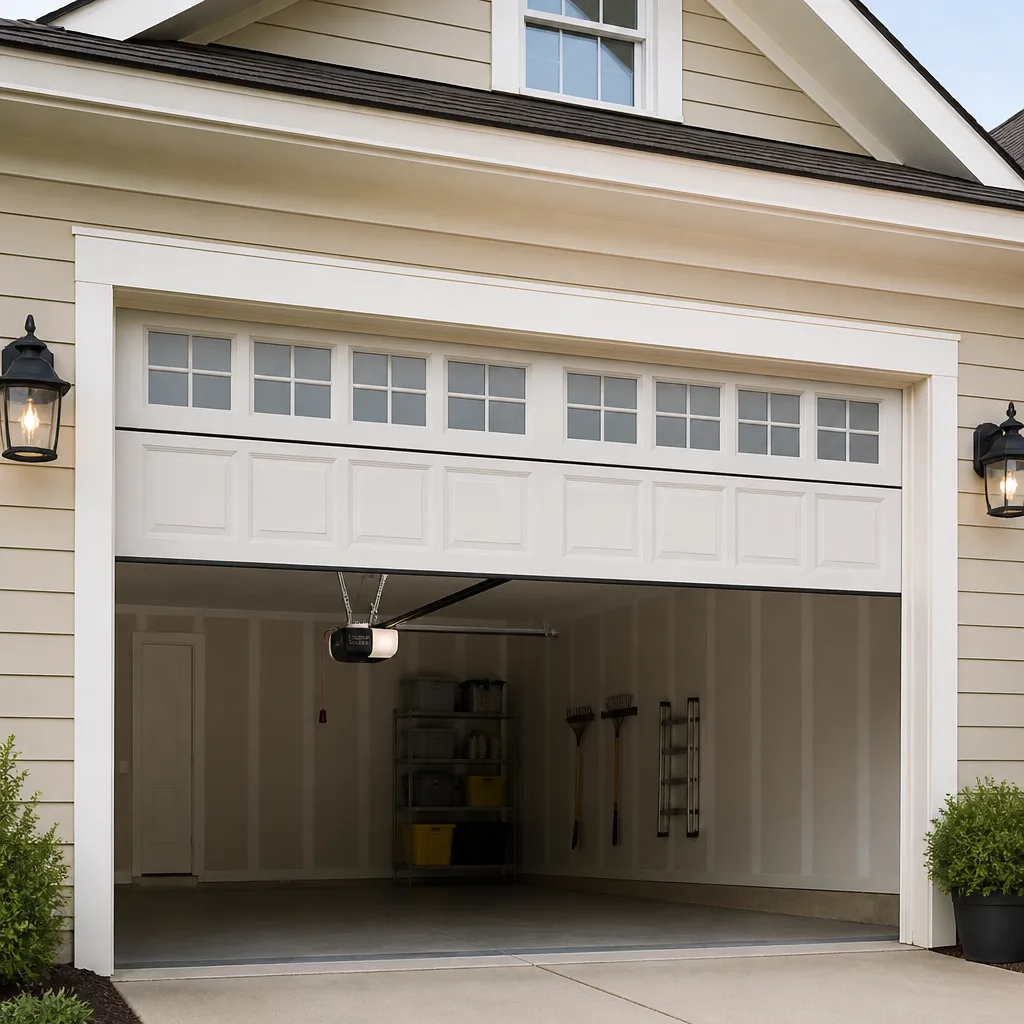 Chamberlain openers
Full 25-point door and opener safety check with every visit - springs, cables, rollers, tracks, and your LiftMaster or Chamberlain opener included
You get a price before we start. It does not change when the pro arrives.
Get your free estimateHow to Hire a Garage Door Contractor in Lynn: A Step-by-Step Guide
Massachusetts has no general contractor license category called “garage door repair.” That surprises most homeowners. It means anyone with a business card and a van can legally show up at your door in Lynn and start working on the springs holding up a door that weighs a few hundred pounds. The system relies on you asking the right questions before work begins. This guide walks through what Massachusetts registration actually covers, how to verify it in under a minute, the questions that separate a real garage door specialist from a handyman guessing at brand-specific parts, and how to write a scope of work that protects you if the repair fails ninety days later.
Quick Answer
To hire a garage door contractor in Lynn, verify the company’s Massachusetts Home Improvement Contractor registration, ask specifically about brand-matched springs and hardware for your door (not just “experience”), insist on a written quote with parts brands and model numbers listed, and refuse to pay until the scope of work is in writing. A specialist who knows the difference between a Clopay spring assembly and a generic one will quote line items; a generalist will quote a lump sum and hope.
Styles & brands we work with
- Raised-panel steel
- Carriage house
- Modern flush
- Full-view glass
- LiftMaster openers
- Chamberlain openers
Table of Contents
- Why a Garage Door Specialist Beats a General Handyman
- What Massachusetts HIC Registration Covers (and What It Doesn’t)
- How to Verify a Contractor in 60 Seconds
- The Questions That Separate Specialists from Generalists
- Red Flags in Quotes and Estimates
- Why the Cheapest Quote Is the Riskiest Choice
- How to Write a Scope of Work That Protects You
- Repair or Replace? Deciding Before You Hire
Why a Garage Door Specialist Beats a General Handyman
Garage doors are a system of interdependent parts: torsion springs, drums and cables, hinges and rollers, panels, the opener motor, the track, and the safety reverse sensors. Each of those components has its own tolerances, and every major manufacturer builds to different tolerances. A technician who works on doors daily knows that a Chamberlain opener pairs with certain safety sensors, and that an Amarr panel assembly doesn’t simply slot into a Clopay frame without modification. A handyman who handles this kind of job every few months sees a garage door as a machine and a repair as a guess.
The most serious difference shows up in springs. Torsion springs are wound to specific tension ratings matched to a door’s weight and height. A spring with the wrong rating still installs fine and still lifts the door on day one. Six months later the door is drifting up, the opener is straining, and the cable may be slipping. The original technician’s invoice said “spring replacement” and nothing more, so you have no leverage to hold anyone accountable.
Our technicians have up to 14 years of experience and work across the eight brands we see most often in Lynn homes: LiftMaster, Chamberlain, Genie, Clopay, Amarr, Wayne Dalton, Craftsman, and Raynor. That brand familiarity means when a door fails, we diagnose the specific mechanics rather than cycle through trial-and-error guesses. It’s why we lead with brand-specific familiarity: the door already in your garage likely matches something we work on daily, whether you need garage door repair or a complete new installation.
What “specialist” actually means in practice
- Knows the difference between a matched torsion spring pair and a single spring replacement.
- Can identify the manufacturer of a door panel without a label, by hardware style and material.
- Quotes parts by brand and model number, not just “spring” or “opener.”
- Treats a stuck or broken door as urgent, not as a routine appointment.
- Offers the full system: opener, springs, panels, cables, and installation under one company.
What Massachusetts HIC Registration Covers (and What It Doesn’t)
Massachusetts requires home improvement contractors to register with the Office of Consumer Affairs and Business Regulation under the Home Improvement Contractor (HIC) program. Registration covers residential renovation, alteration, repair, and remodeling work. If a contractor performs home improvement work in Massachusetts, that registration is the baseline legal requirement. What it does not do is prove a contractor knows anything about garage door mechanics, spring calibration, or opener diagnostics.
The registration is a consumer protection record, not a skills certification. Its purpose is to protect homeowners against fraud and to give you a formal channel for disputes. It doesn’t verify training, brand knowledge, or whether the contractor will use the correct spring for your door’s weight. Many Lynn homeowners assume that because a contractor is registered, they’re hiring an expert. No. The registration opens the door to the transaction; the questions you ask decide whether the person walking through it knows what they’re doing.
What HIC registration does give you:
- A verifiable public record you can search before hiring.
- Access to a process for handling complaints if work goes wrong.
- A standard for knowing the contractor isn’t operating outside the legal framework.
What it does not give you:
- Proof of experience with your door’s brand or model.
- Any guarantee the technician knows spring tension calculations.
- Insurance verification (ask to see a certificate of insurance directly).
- Brand-specific expertise, training, or certifications.
How to Verify a Contractor in 60 Seconds
Verification is fast if you know where to look. The HIC registration database is public, searchable, and free. Open it on your phone while the contractor is still standing in your driveway (or before they arrive), and run through these steps.
- Search the HIC database by company name. The state’s Office of Consumer Affairs publishes an online lookup. Search by the exact business name on the card, not just the name given verbally.
- Confirm the registration is active. An expired registration means the company is operating outside the legal requirement.
- Confirm the name on the registration matches the quote. Companies that shuffle paperwork between related entities are a warning sign.
- Ask for a certificate of insurance directly. You want liability insurance and, where applicable, workers’ comp. Ask the contractor to send it by email so you have a copy.
- Cross-check the phone number. The number on the estimate should match the number on the website and the number on the registration. Mismatches are how scam contractors slip away.
- Search the state complaint records. A single old complaint isn’t disqualifying, but a pattern is.
- Look up the company’s local presence. A Lynn company with an address, a working phone, and a functioning website is easier to hold accountable than a card with a cell phone number.
If the contractor hesitates when you ask for any of this, thank them and move on. A legitimate garage door specialist will walk you through it in two minutes.
The Questions That Separate Specialists from Generalists
“Do you have experience?” is the wrong question. Everyone says yes. What you need to ask is specific enough that a general handyman can’t fake the answer. Garage door hardware is technical, and the right questions reveal a technician’s working knowledge in the first exchange.
Ask these questions before booking
- “What kind of spring does my door use?” Torsion springs mount horizontally over the door. Extension springs run alongside the track and stretch. A specialist asks your door’s weight and height before quoting; a handyman quotes without asking.
- “Will you replace both springs in a matched pair, or just the broken one?” A matched pair is virtually always the right call. If a technician will only replace the broken one, they’ll be back within a year for the twin.
- “What brand and model of spring will you use?” Brand-matched parts are the difference between a repair that holds and one that drifts. A specialist puts the brand in writing.
- “What’s the gauge of the spring wire and its intended cycle count?” You don’t need to know the answer, but you want to hear the technician talk about wire gauge and cycle ratings without hesitation.
- “Can you identify the manufacturer of my door by looking at it?” Clopay, Amarr, and Wayne Dalton panels have distinctive styles, hardware patterns, and stamping. A specialist names it; a generalist looks for a label.
- “Which opener brands do you diagnose most often?” A real specialist has direct experience with LiftMaster, Chamberlain, Genie, and Craftsman units. A generalist will be vague.
- “What’s your approach when a door won’t close at all?” A specialist troubleshoots safety sensors, limit switches, and track alignment in a specific order. A handyman says “I’ll take a look.”
- “Will you give me a written scope of work with parts brands?” If the answer is no, the conversation is over.
In our experience, one or two of those answers is enough to sort a specialist from a generalist. Homeowners in Lynn who call Lynn Garage Door Repair Co usually ask the spring question first, because a spring failure is what prompted the call.
Red Flags in Quotes and Estimates
A written quote should tell you everything you need to compare and to hold the company accountable. When something is missing from the page, the missing part is where the risk lives.
The specific red flags Lynn homeowners should watch for
- Vague line items like “spring repair” or “door service.” A legitimate quote says “matched torsion spring pair, brand and model.” Without that, you can’t compare two quotes and you have no recourse if the wrong part is installed.
- Refusal to name the parts brand in writing. Aftermarket springs from unknown sources are the most common cause of “the repair failed after six months.” A specialist names the brand without being asked.
- “Diagnostic fees” that vanish if you hire them. This is an inverted incentive. If the fee disappears when you hire the company, the “diagnosis” is a sales pitch. Ask what the diagnostic fee buys you: a written report or a verbal opinion.
- A quote given without seeing the door. Quotes over the phone for springs are guesses. A specialist asks for the door’s height and weight, or walks out to look.
- Pressure to decide immediately. Real specialists don’t need same-hour commitments. If there’s genuine urgency (a door that won’t close overnight), the company says so and offers emergency service.
- No written scope and no refund policy for failed work. If the contractor won’t commit to a 90-day failure window in writing, the quote isn’t a quote; it’s an estimate you can’t enforce.
- Cash-only payment with no paperwork. You lose every consumer protection you have when there’s no paper trail.
- Unsolicited door-to-door offers. Especially after a storm. Reputable garage door companies don’t knock on doors selling spring replacements.
Why the Cheapest Quote Is the Riskiest Choice
Garage door work has narrow margins on quality parts. A quote that lands 30% below every other quote you get has one of two explanations: the company is using cheap aftermarket parts, or the labor is being cut somewhere you can’t see. Neither is a good deal.
Springs are where the cost-cutting shows first. A matched torsion pair from a known brand costs more than a generic set from an unmarked source. Both will lift the door. The differences show up in wire gauge, cycle rating, and plating. A low-cycle spring wears out in a fraction of the cycles of a properly rated one. A poorly tensioned spring strains the opener, wears the cables, and puts uneven load on the door panels. Six months later, the door that “worked fine” needs new cables and an opener repair on top of the original spring replacement.
Lynn’s winter temperature swings make that wear more visible. Doors cycle hundreds of times through months of freezing mornings and warmer afternoons, and springs work harder when cold. A spring rated for a specific cycle count and correctly matched to door weight handles those cycles cleanly. A cheap aftermarket spring doesn’t. The homeowner ends up paying twice: once for the cheap spring, then again for the correct one.
When we quote a repair, we put a matched pair, a specific brand, and a specific cycle rating in writing. The number on the page is higher than the cheapest quote you’ll get. The number on the repair invoice, two springs from now, is lower. That’s the trade-off to understand when you compare quotes: cheap today usually means expensive in eighteen months.
How to Write a Scope of Work That Protects You
A written scope of work is the single most useful piece of paper in the entire transaction. It’s the document you point to if the repair fails, the quote changes, or the technician installs something you didn’t agree to. Insist on it before work starts, and don’t accept a hand-written note.
A scope of work should include:
- The specific repair or installation being performed. Not “spring repair” but “replacement of matched torsion spring pair, [brand], [model], rated for door weight and height.”
- A line-item breakdown of parts and labor. Parts brand, model, quantity, and price. Labor as a separate line. Anything not itemized is not in the quote.
- The total price, stated as a fixed price for the listed work. Watch for “starting at” or “plus parts.” You want a number.
- Confirmation the price is agreed before work starts. The quote should explicitly state this.
- A 90-day workmanship window. If the parts and labor don’t hold for at least 90 days, the company returns at no cost. Get that in writing.
- Warranty terms on the parts. Manufacturer warranties vary; ask what the company backs and for how long.
- Cleanup and disposal. Old springs and parts should be removed. Confirm it’s included.
- Signatures and date. Both parties sign before work begins.
The scope should be detailed enough that a second company could read it and quote the same job. If it doesn’t meet that test, ask for it in more detail. When a repair involves the torsion springs, cable drums, or the opener’s high-voltage wiring, the scope also needs to say clearly that the work will be performed by a trained technician. Those components move under high tension and stored energy; opening one up without training can cause severe injury. This is exactly why garage door spring repair belongs with a specialist, not a generalist with tools.
Repair or Replace? Deciding Before You Hire
Knowing what kind of job you’re hiring for changes who you call. A broken spring is a repair. A cracked panel on an older door might be a repair. A door that needs new panels, new springs, new cables, and a new opener is often cheaper to replace outright. Getting clear on that before you call keeps you from paying for a diagnosis you don’t need.
Signs the job is probably a repair
- One spring broke, the door is otherwise structurally sound.
- The opener motor runs but the door doesn’t move.
- A single panel is dented or cracked but the track is straight.
- The door is binding, squealing, or moving unevenly.
- The safety reverse sensor isn’t stopping the door on contact.
Signs the job may be a replacement
- Multiple panels are damaged, dented, or rusted through.
- The door is out of alignment with no obvious single cause.
- The springs, cables, hinges, and opener are all past their useful life at once.
- The door style or opening is being changed, which usually needs a different door.
- The door is a manufacturer’s model that no longer has compatible panels available.
If you’re on the fence, ask the company to quote both. A repair quote and a replacement quote side by side tell you the real trade-off. Clopay and Amarr product lines cover most residential replacement needs, and knowing what’s available helps when the numbers are close. For a failing opener rather than the door itself, start with garage door opener repair before assuming the whole door needs to go.
How the diagnosis actually goes
- The technician checks that the door is balanced, lifting it by hand with the opener disconnected.
- Springs, cables, and drums are inspected for wear, fraying, or incorrect tension.
- The opener is tested for force settings, travel limits, and safety reverse function.
- Panels, hinges, and track are checked for alignment and hardware condition.
- A written quote is prepared with repair and, where relevant, replacement options.
Common Mistakes to Avoid
- Hiring a handyman to save money on a spring repair. A handyman can install a spring; a specialist knows which spring your door needs. The savings disappear the moment the wrong part fails and you’re paying again.
- Not verifying the HIC registration. It takes sixty seconds. Skipping it leaves you without a formal dispute channel if something goes wrong.
- Accepting a phone quote for a spring. A spring quote without knowing the door’s weight and height is a guess. Ask for a written quote after the technician has seen the door.
- Choosing the lowest quote without reading the parts brands. Cheap quotes almost always hide aftermarket parts. The invoice you can’t enforce is the one you didn’t read.
- Skipping the scope of work. If you don’t have a written scope with a 90-day workmanship window, your “warranty” is a promise, not an enforceable commitment.
- Replacing one spring in a matched pair. When one spring fails, the twin is at the same wear point. A specialist explains this and quotes the pair.
- Calling a general contractor for a stuck door overnight. A door that won’t close is an urgency situation. Look for a company that treats it as one, rather than scheduling you into next week.
See the difference
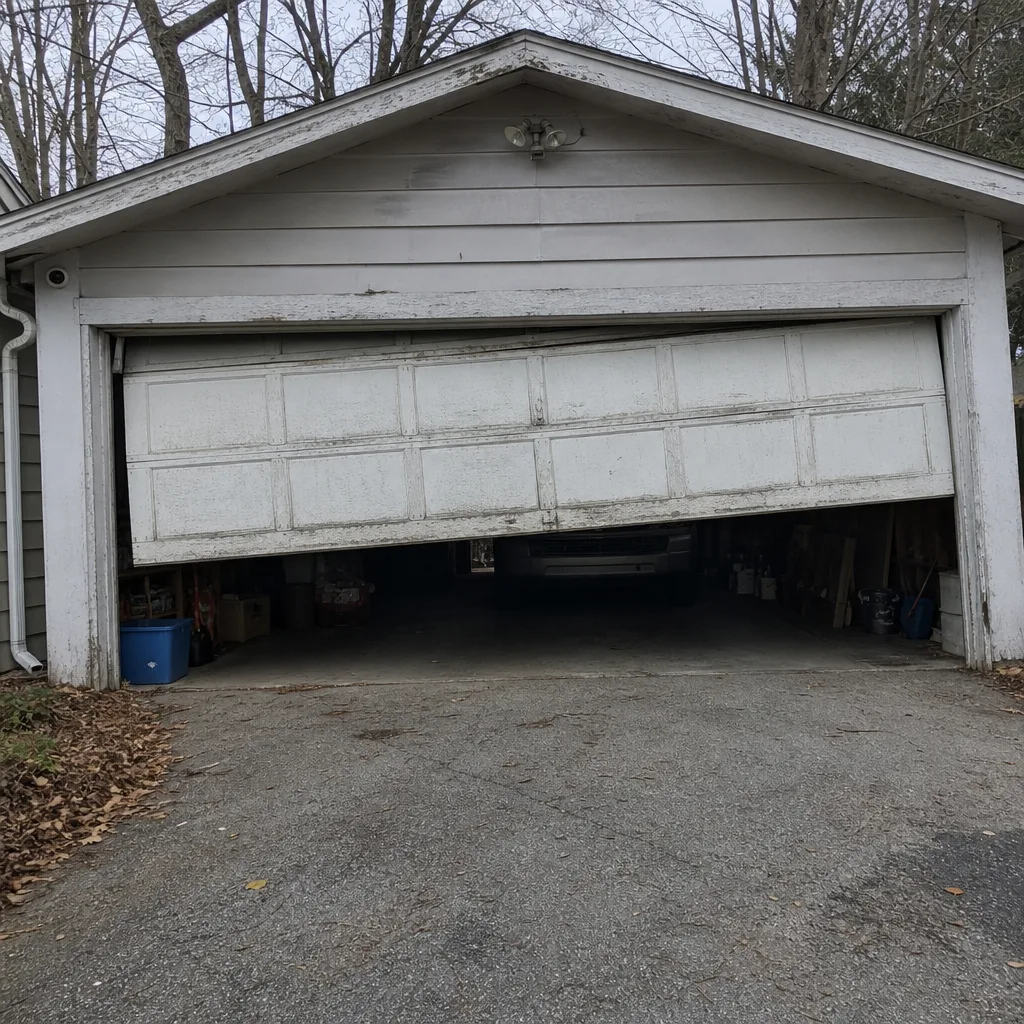 Before
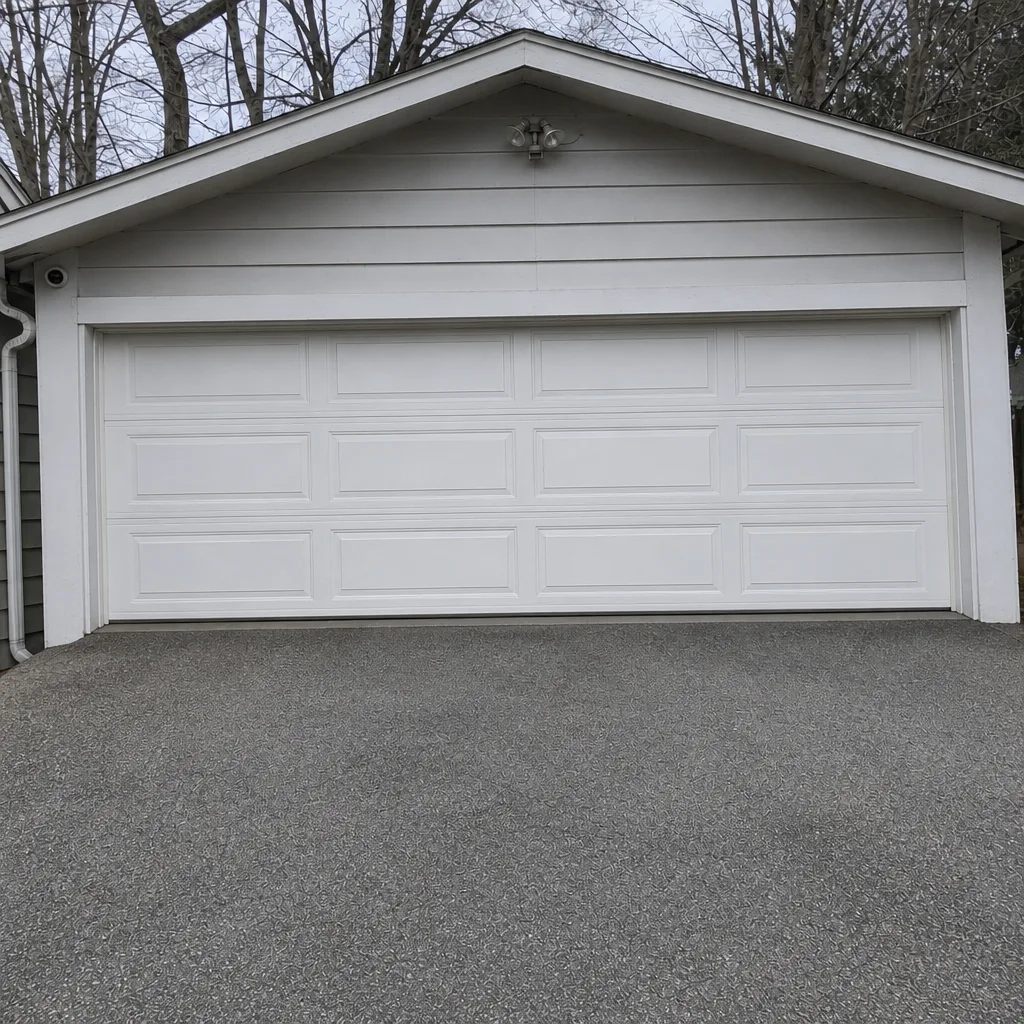 After
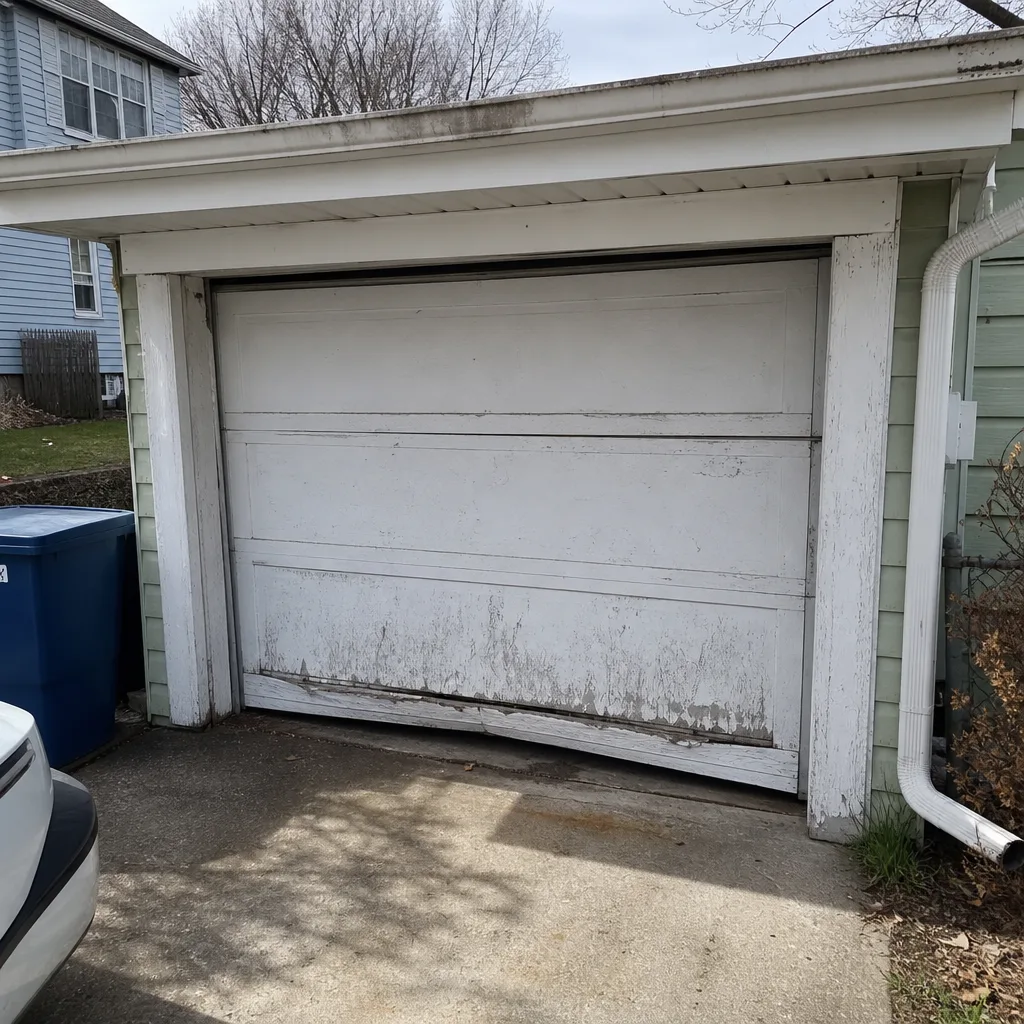 Before
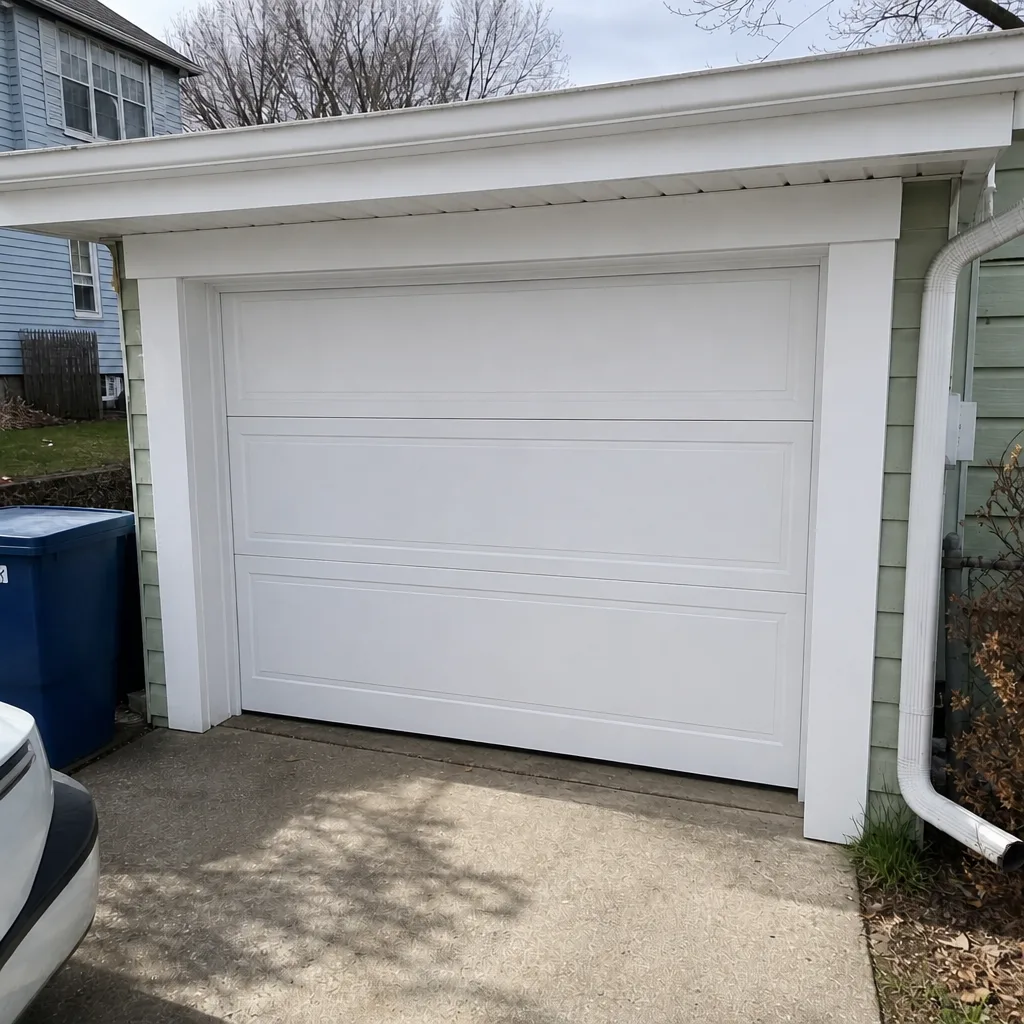 After
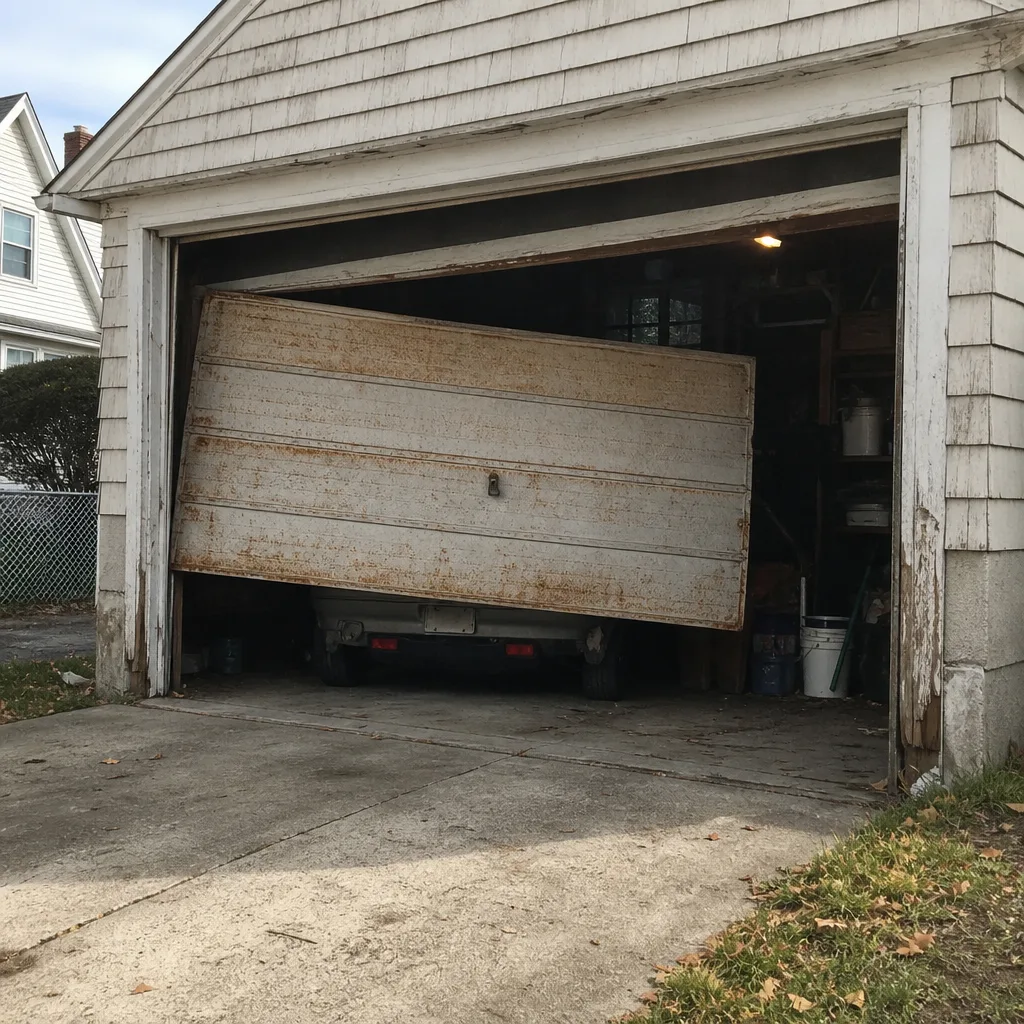 Before
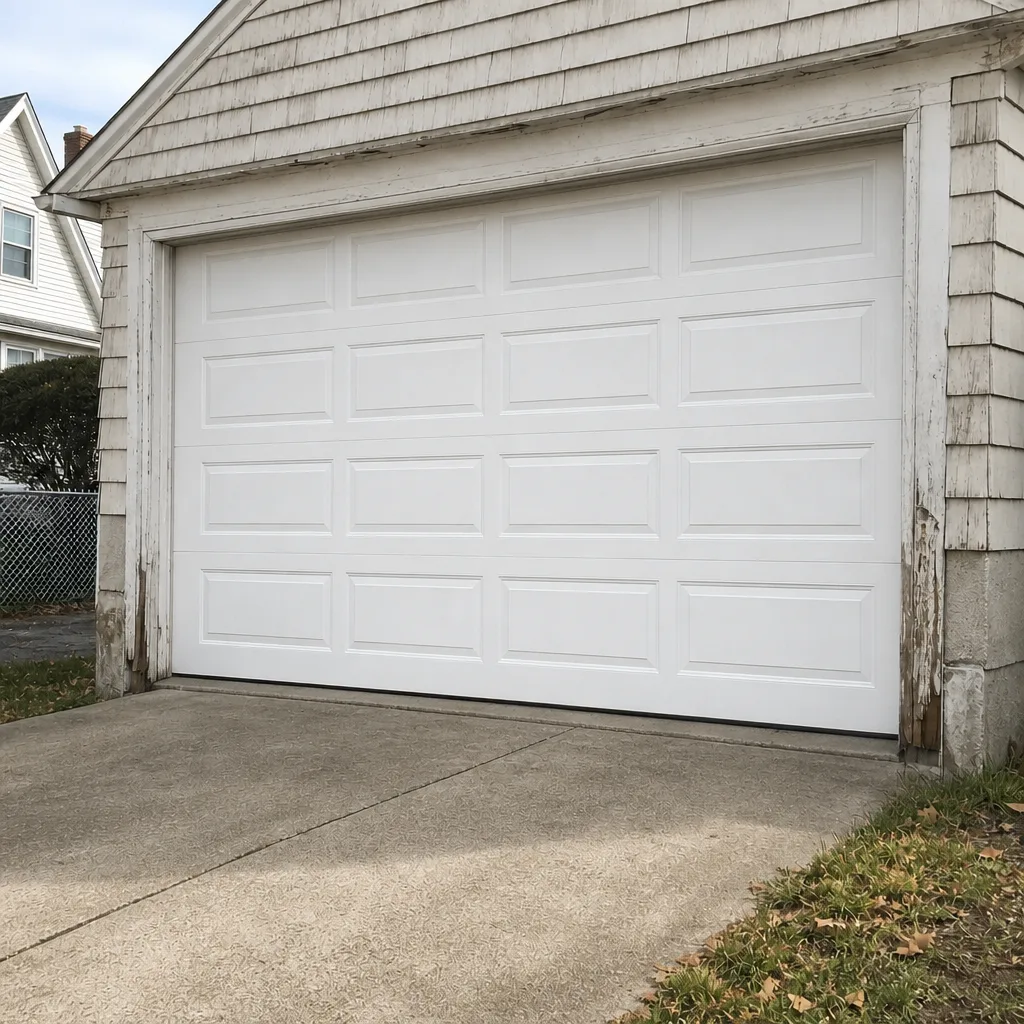 After
When to Call a Professional
Some garage door issues should never be handled by the homeowner. A broken torsion spring, a snapped cable, or a detached drum holds stored energy that can cause serious injury if released incorrectly. Those jobs require a trained technician with the right tools and the right knowledge. Beyond safety, call a professional when the door won’t open or won’t close at all, when the opener runs but the door doesn’t move, when the door reverses on its own, when the panels or track are visibly bent, and when you’re planning a new door installation and need product and style guidance. In Lynn, our team offers free estimates and handles repair, replacement, and emergency calls with the same written-quote standard. Call (866) 570-7585. We answer 24/7. Fast dispatch from 7am to 7pm, Sunday through Friday.
Frequently Asked Questions
Verify their Massachusetts Home Improvement Contractor registration with the state, ask for a certificate of insurance, and ask brand-specific questions about your door and springs. A qualified garage door specialist names the parts they’ll use, asks about your door’s weight and height, and puts the scope in writing. A generalist gives you a single lump-sum quote and a vague timeline.
HIC registration satisfies the state’s baseline requirement for home improvement contractors, and it opens a formal channel for disputes if something goes wrong. It does not certify skill on garage door mechanics, spring calibration, or brand-specific parts. Think of it as a legal starting point, not a qualification.
It shouldn’t. A written quote is the price for the work listed, and it’s agreed before any work starts. If a technician arrives and finds something the quote missed, they should explain it and get your approval for the added work before proceeding. Call (866) 570-7585 to get a written estimate that’s free and clear on that point.
Quotes vary most often because the parts vary. A matched torsion pair from a known brand costs more than a generic set. Labor and diagnostic practices add to the difference. In our experience, the quote that lands far below the others usually hides cheap aftermarket springs that fail well before a rated pair would.
The technicians from a vetted Lynn company are licensed and insured as their state requires, and any homeowner can verify their contractor’s registration directly. Always ask for a certificate of insurance before work starts. If a company can’t produce one quickly, choose another.
Get a written scope of work that names the parts brands and models, states the total fixed price, and includes a workmanship window covering at least 90 days. Sign it before work starts and keep a copy. If the repair fails within that window, the written scope is what you point to when you ask the company to return at no cost.
Yes, in nearly every case. Torsion and extension springs wear at the same rate as a pair. When one fails, the other is at the same wear point and will usually fail within months. Replacing both together is cheaper than two separate service calls. Call (866) 570-7585 to get a quote on the pair.
The Bottom Line
Hiring a garage door contractor in Lynn comes down to verification, specificity, and paperwork. Verify the HIC registration. Ask the questions that only a specialist can answer. Insist on a written scope with named parts brands and a 90-day workmanship window. Skip the cheapest quote if it comes without parts details. Whether you’re dealing with a broken spring, a failing opener, or a full door replacement, the right contractor will welcome every one of those questions because that’s how a specialist works. For a free estimate, call (866) 570-7585. We answer 24/7. Fast dispatch from 7am to 7pm, Sunday through Friday.
Written by the team at Lynn Garage Door Repair Co.