
Last updated November 22, 2026
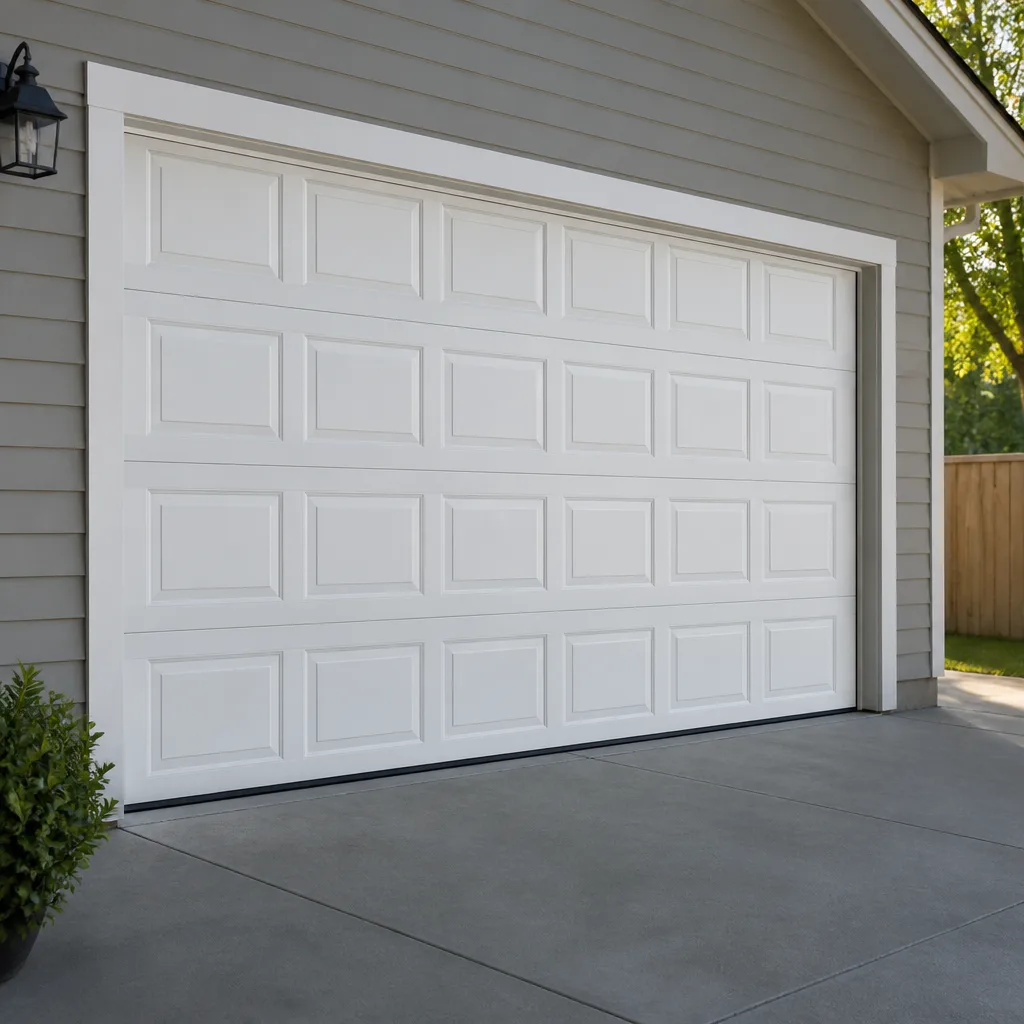 Raised-panel steel
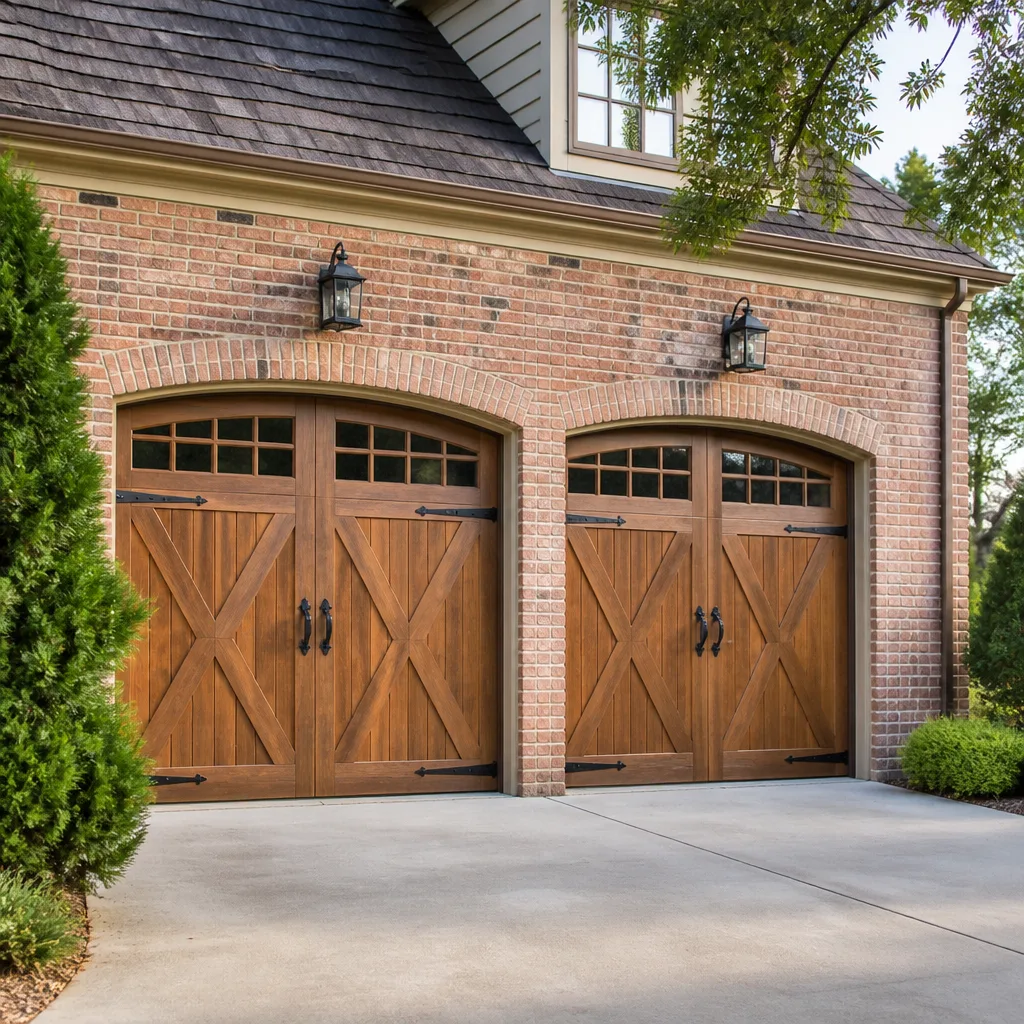 Carriage house
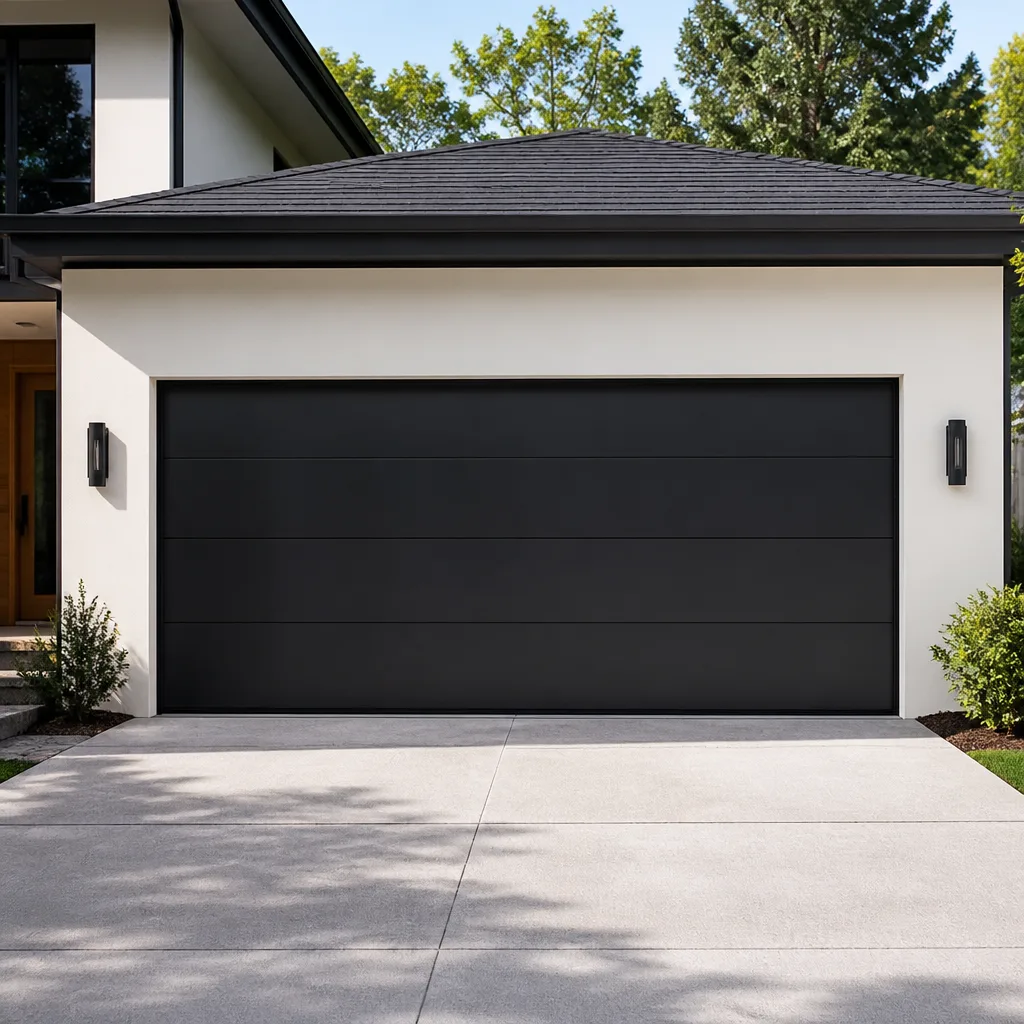 Modern flush
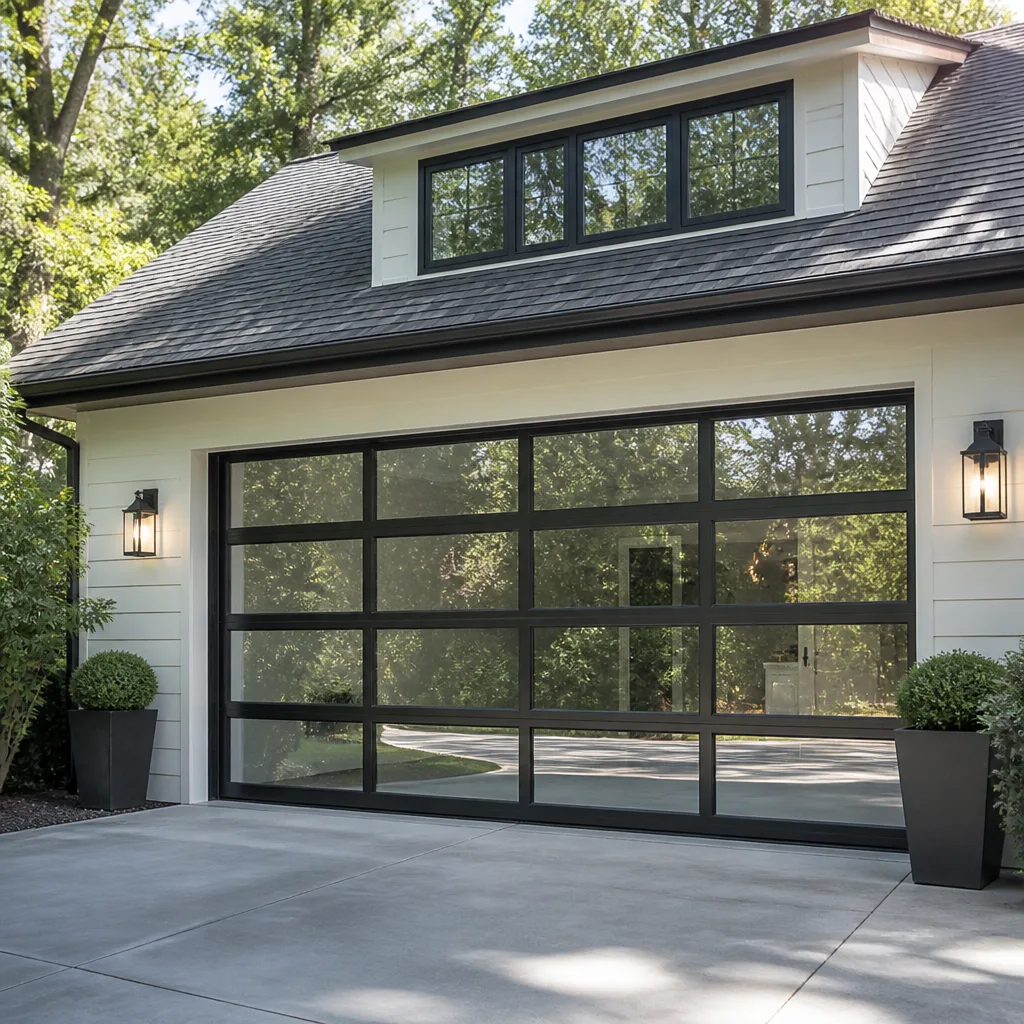 Full-view glass
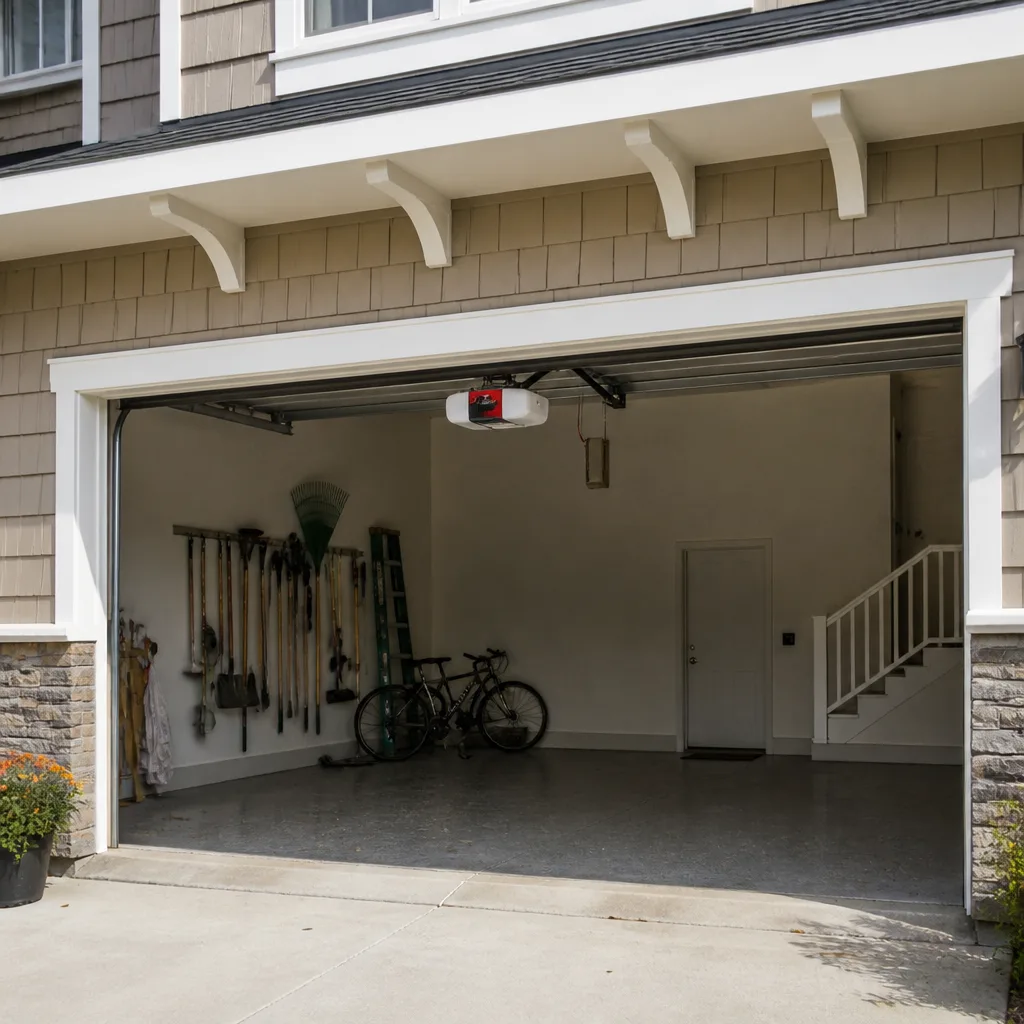 LiftMaster openers
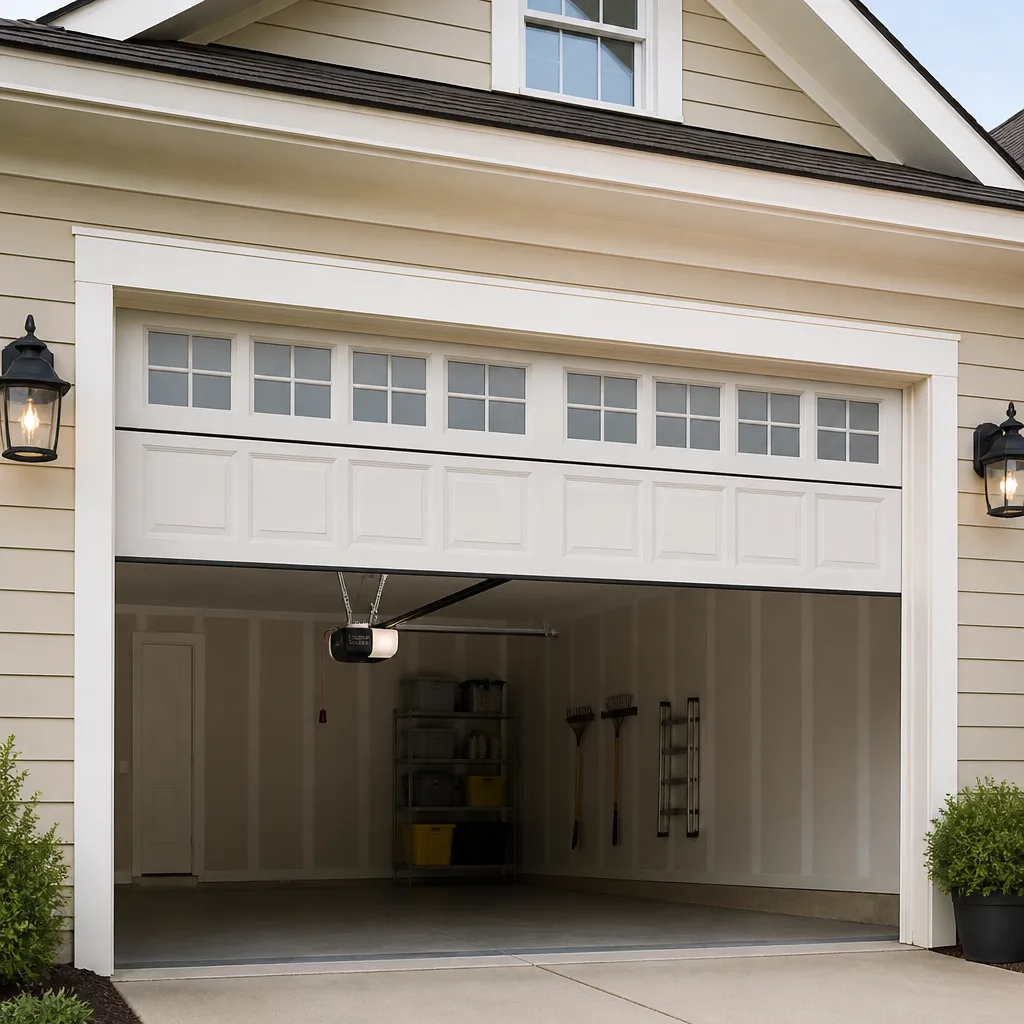 Chamberlain openers
Full 25-point door and opener safety check with every visit - springs, cables, rollers, tracks, and your LiftMaster or Chamberlain opener included
You get a price before we start. It does not change when the pro arrives.
Get your free estimateGarage Door Emergency Preparedness Guide for Lynn Homes
Most garage door emergencies aren’t really door emergencies. They’re knowledge emergencies. A nor’easter knocks out power across Lynn, the opener goes dead, and the homeowner stands in the dark pulling on a door that won’t budge because they’ve never located the manual release cord. The door is fine. The situation is solvable in four minutes with the right information. This guide gives you that information before you need it: how to release three common opener types without damaging them, how to secure a door that won’t close during a storm, what to do when a spring snaps in freezing weather, and exactly what to tell us when you call so the right technician arrives with the right parts.
Quick Answer
Garage door emergencies in Lynn are almost always manageable if you know three things in advance: where your manual release cord is and how to use it on your specific opener, how to lock the door down when it won’t close, and when a situation is too dangerous to touch. Springs, cables, and torsion hardware are genuinely dangerous and should never be handled by a homeowner. Everything else – releases, lockouts, manual operation – you can prepare for in a few minutes and resolve without panic when a storm or failure hits.
Styles & brands we work with
- Raised-panel steel
- Carriage house
- Modern flush
- Full-view glass
- LiftMaster openers
- Chamberlain openers
Table of Contents
- How do you manually release a garage door during a power outage?
- Release methods for the three most common openers in Lynn homes
- How do you secure a garage door that won’t close during a storm?
- What to do when a spring snaps in winter and the door is stuck open
- Is it safe to work around temporarily, or does the door need to be locked out?
- What to have ready before you call for emergency repair
- Common mistakes to avoid
- Frequently asked questions
How do you manually release a garage door during a power outage?
A manual release disconnects the door from the opener so you can lift it by hand. On most residential openers, you pull the red handle hanging from the trolley to disengage the carriage, then lift the door manually. The door should lift with steady pressure and stay up on its own. If it doesn’t stay up, stop and call a professional – that usually means a spring or balance problem, not a power problem.
Here’s the sequence that works for the vast majority of doors in Lynn:
- Make sure no one is standing under or near the door.
- Locate the release cord – it’s usually red, hanging from the trolley rail near the door’s center.
- Pull straight down and slightly toward the door, firmly but without yanking.
- Lift the door slowly by hand to about waist height, then continue to full open.
- Confirm the door holds open before walking your car out.
The tricky part is re-engaging. Once power returns, you push the release carriage back toward the opener until it clicks, then run the opener once to confirm the door cycles normally. If it doesn’t re-engage cleanly, the door might run but the carriage stays disconnected – a common and confusing failure. We work on LiftMaster and Chamberlain units constantly, and both use a nearly identical trolley design, so this procedure is the same on the great majority of homes in Lynn’s older two- and three-family neighborhoods.
Release methods for the three most common openers in Lynn homes
Not every release works the same way, and pulling the wrong part can bend the carriage or strip the trolley. Here are the three you’ll most likely encounter, with the specific mistake to avoid on each.
Chain-drive openers (LiftMaster, Chamberlain, Craftsman)
Chain-drive units are the most common residential opener in Lynn. The release is a red cord hanging from the trolley carriage. Pull it straight down. The mistake to avoid: pulling sideways or at an angle, which can jam the carriage on the rail. If the cord feels stuck, don’t force it – the door may be under tension and that’s a spring problem to bring to a professional.
Belt-drive openers (LiftMaster, Genie)
Belt-drive units are quieter and increasingly common in newer Lynn builds and renovations. The release mechanism is usually the same red-cord trolley design, but the rail runs smoother and it’s easy to re-engage only halfway. The mistake to avoid: assuming it’s re-engaged because the opener runs. Test the carriage by hand first, then cycle the door once with the remote.
Screw-drive and older Genie units
Screw-drive openers and older Genie models sometimes use a slightly different trolley or a lever-style release. Look for the red handle – if there’s a lever rather than a cord, it usually needs to be pushed toward the door rather than pulled. The mistake to avoid: forcing a release that doesn’t move freely. If it’s genuinely stuck, the door is likely binding or the spring has failed, and no amount of pulling will fix that. Call garage door opener repair rather than risk damage.
How do you secure a garage door that won’t close during a storm?
You can secure most residential garage doors that won’t close without any tools, in under ten minutes, by using the door’s own manual locking hardware or a physical blocker at the bottom. The goal isn’t a permanent fix – it’s keeping wind and water out and preventing the door from slamming or being pushed open until a technician arrives.
Here’s the sequence for a Lynn storm situation:
- Disconnect the opener at the trolley (pull the release cord) so the opener doesn’t fight you.
- Lower the door by hand as far as it will go.
- Engage the manual lock bar or slide bolt on the inside of the door, if your door has one.
- If there’s no lock, wedge a sturdy object – a piece of lumber, a rubber doorstop, or a sandbag – under the bottom edge to hold it down.
- Check that the door can’t be lifted from outside by pulling up on the handle.
- Call us or a local technician to get it repaired properly once the weather clears.
The trick most people miss: if the door is closing but reversing immediately, that’s usually a photo-eye or safety sensor problem, not a mechanical one. A small obstruction or a misaligned sensor at the bottom of the tracks will make the door reverse every time. During a storm, you can’t safely mess with the sensors – secure the door as above and call for repair once it’s safe. Lynn winters and coastal storms put real wind pressure on garage doors, so a door that won’t latch during a nor’easter is a genuine priority.
What to do when a spring snaps in winter and the door is stuck open
If a spring snaps and the door is stuck open in freezing temperatures, don’t try to close it yourself. The door is now carrying its full weight unbalanced and can come down hard and fast. Keep everyone clear, block the opening with a barrier if you can, and call a professional for emergency garage door spring repair.
Springs fail more often in cold weather, and Lynn’s hard winters are exactly when you don’t want to be experimenting with a door that’s lost its counterbalance. A broken torsion spring or extension spring means the door has lost the force that holds it up. On a double door that’s several hundred pounds coming down if it slips. A loud bang from the garage is often the sound of a spring letting go.
What you should do:
- Keep children and pets out of the garage.
- Don’t attempt to lift or lower the door by hand.
- If the door is fully open and stable, leave it – it’s less dangerous than trying to close it.
- Call for emergency service. We answer 24/7, and fast dispatch runs from 7am to 7pm, Sunday through Friday, so a snapped spring gets a technician on site rather than a voicemail.
Spring repair is a core part of what we do, not an add-on. The springs that fail in Lynn winters are the same springs we replace year-round, and the safety procedure is identical whether it’s January or July. We’ve seen what a spring under tension can do, and there’s no version of this job that a homeowner should handle alone. The garage door repair page covers what to expect when we come out.
Is it safe to work around temporarily, or does the door need to be locked out?
Most garage door emergencies are safe to work around temporarily – you can open and close the door by hand, or leave it secured, until a technician arrives. The situations that require a full lockout are the ones involving springs, cables, torsion hardware, or a door that’s visibly off its tracks.
Use this quick test to decide:
- Safe to work around: dead opener, power outage, door reverses on closing, door is noisy but operates, remote won’t work, door won’t close but is balanced and lifts easily by hand.
- Lock it out: loud bang from the garage and the door won’t lift, visible gap between the door and the track, door hanging crooked, broken cable draped across the opening, door came down too fast.
If the door is off its tracks or a cable has come loose, don’t touch it. A door that’s partly off the track is unstable and can twist or drop without warning. Take the remote out of service, disconnect the opener, tape a note to the door if others use the garage, and call for emergency help. Our technicians have up to 14 years of experience handling exactly these situations, and we can tell you over the phone whether it’s a lockout or something you can safely leave until a scheduled visit. That phone conversation is worth having before you touch anything.
What to have ready before you call for emergency repair
Having the right information ready before you call cuts response time and helps the technician arrive with the right parts. The details that matter most are the door’s brand, the opener’s model, and a plain-language description of what happened and whether the door is open, closed, or stuck partway. With those in hand, we can often tell you immediately what the likely problem is.
Have these details ready when you call:
- The door’s brand – Clopay, Amarr, and Wayne Dalton are common on Lynn homes, and knowing the brand helps us bring the right hardware.
- The opener’s brand and model, if visible on the unit. LiftMaster and Chamberlain labels are usually on the back panel or motor housing.
- What the door is doing now – open, closed, stuck halfway, reversing, or completely dead.
- Whether you heard anything unusual – a bang, a snap, or grinding.
- Whether you’ve already tried the manual release.
- Your address and the best number to reach you.
- A photo of the door and opener, if you can text one.
One thing to leave alone entirely: don’t try to diagnose a torsion spring yourself. A spring under tension is the most dangerous component in the system, and a wrong move can release stored energy suddenly. We work on the brand already in your garage, so telling us the brand is the fastest path to the right fix. If you have a Clopay or Amarr door, brand familiarity helps us match panels and hardware. If you have a LiftMaster or Genie opener, we know the specific release and re-engagement steps for those units. Call (866) 570-7585. We answer 24/7. Fast dispatch from 7am to 7pm, Sunday through Friday.
How does a Lynn winter storm change how you prepare?
A Lynn winter storm changes the preparation in three practical ways: you need a manual release plan in case of a power outage, you need a secure-door plan in case the door won’t close, and you need to keep the area around the door clear of snow and ice so the door and sensors can operate.
A nor’easter can take out power for hours or longer, and an opener that’s dead without a manual release plan leaves your car trapped in the garage. That’s the counterintuitive part: the biggest risk during a storm isn’t damage to the door, it’s being unable to get out. The fix is four minutes of preparation – know where the release cord is, test that you can lift the door by hand while the power is still on, and confirm the door stays open. Do that on a calm day, not during the storm.
On the closing side, snow and ice packed against the bottom of the door can make it reverse repeatedly or fail to close fully. Keep the threshold clear, and don’t chip ice with a metal tool that can damage the bottom seal or the sensors. If the door still won’t close cleanly after you clear the threshold, secure it manually and schedule a repair rather than fighting it in freezing weather. Lynn’s older homes often have doors and openers that predate current safety features, which makes a pre-storm check even more worthwhile.
See the difference
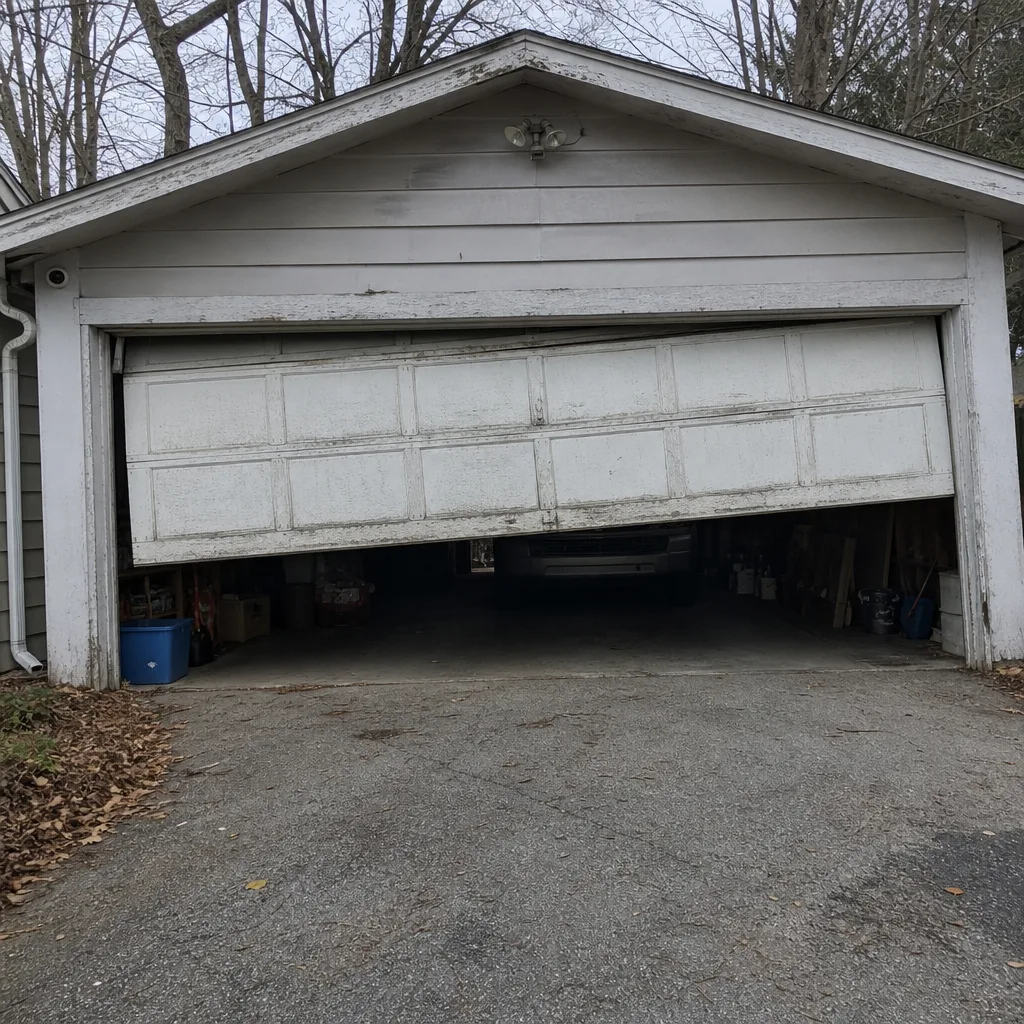 Before
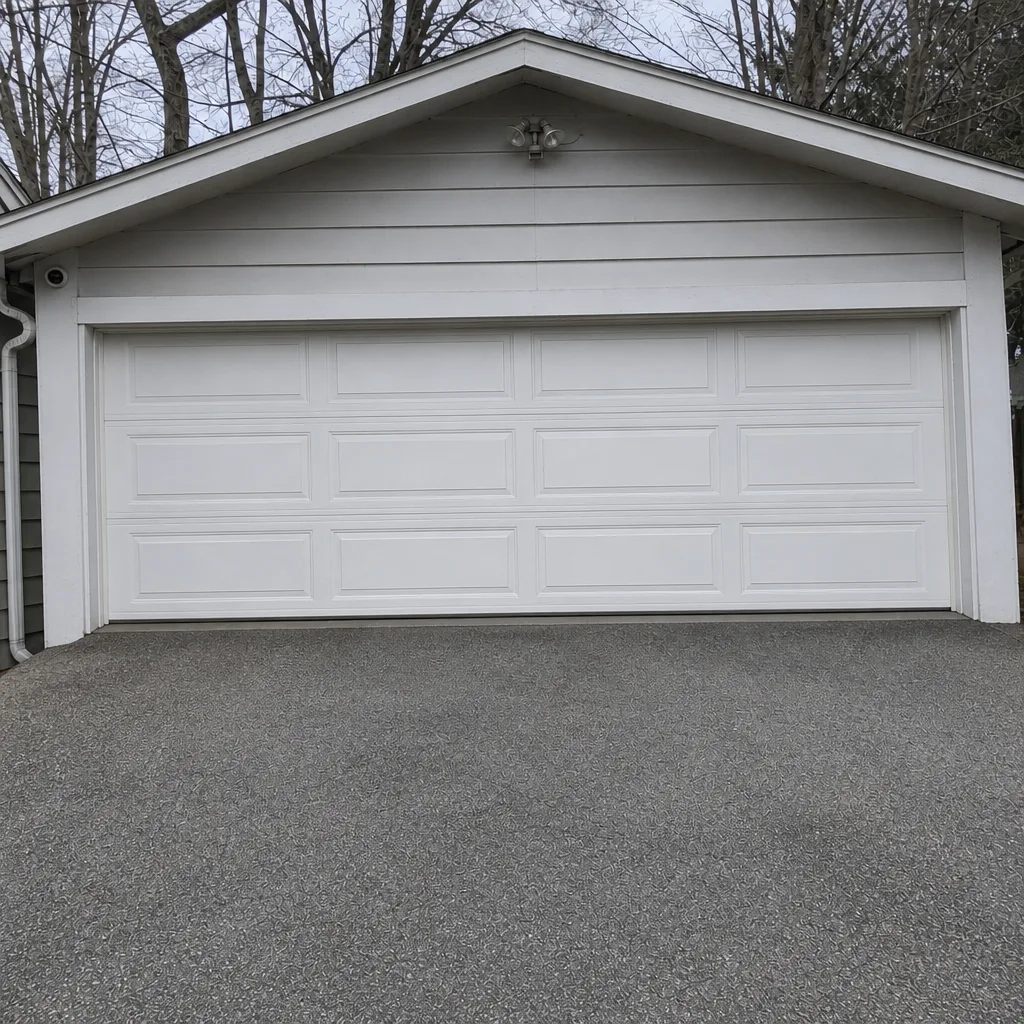 After
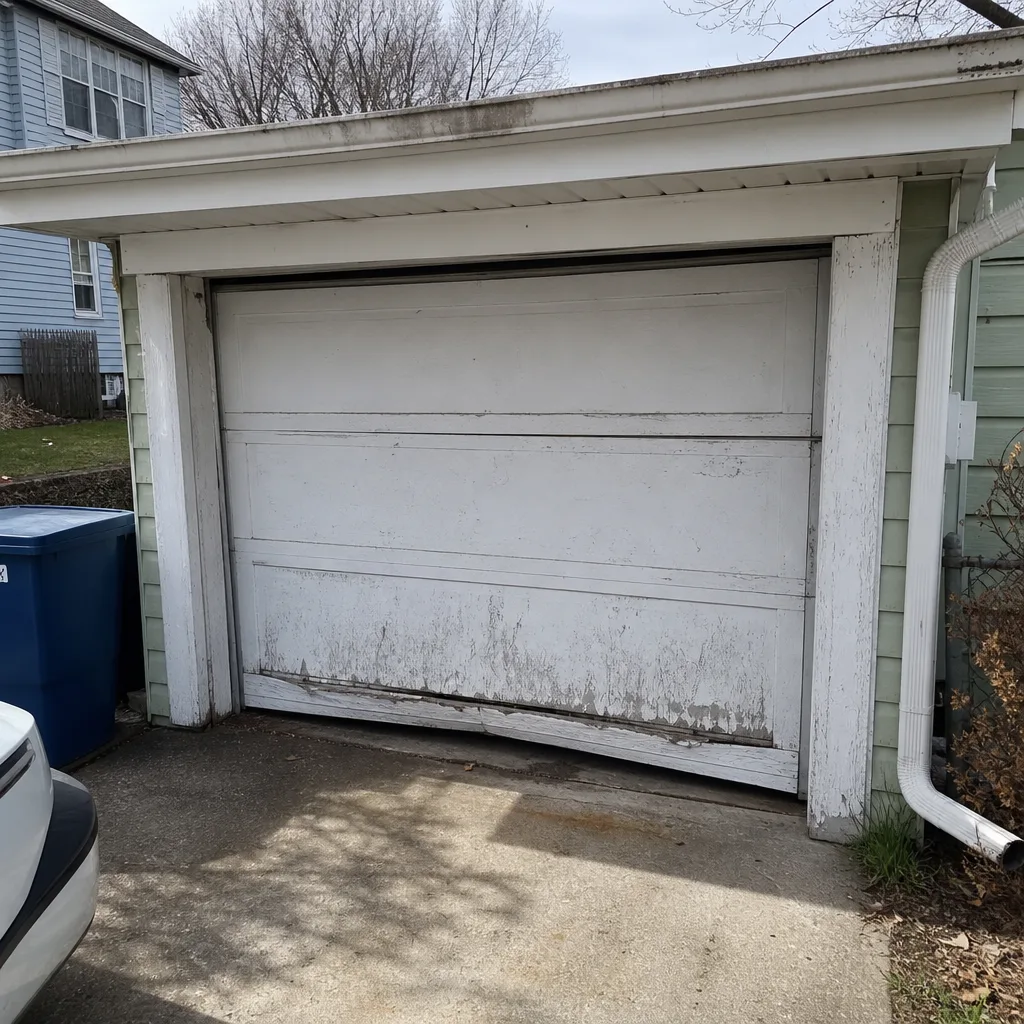 Before
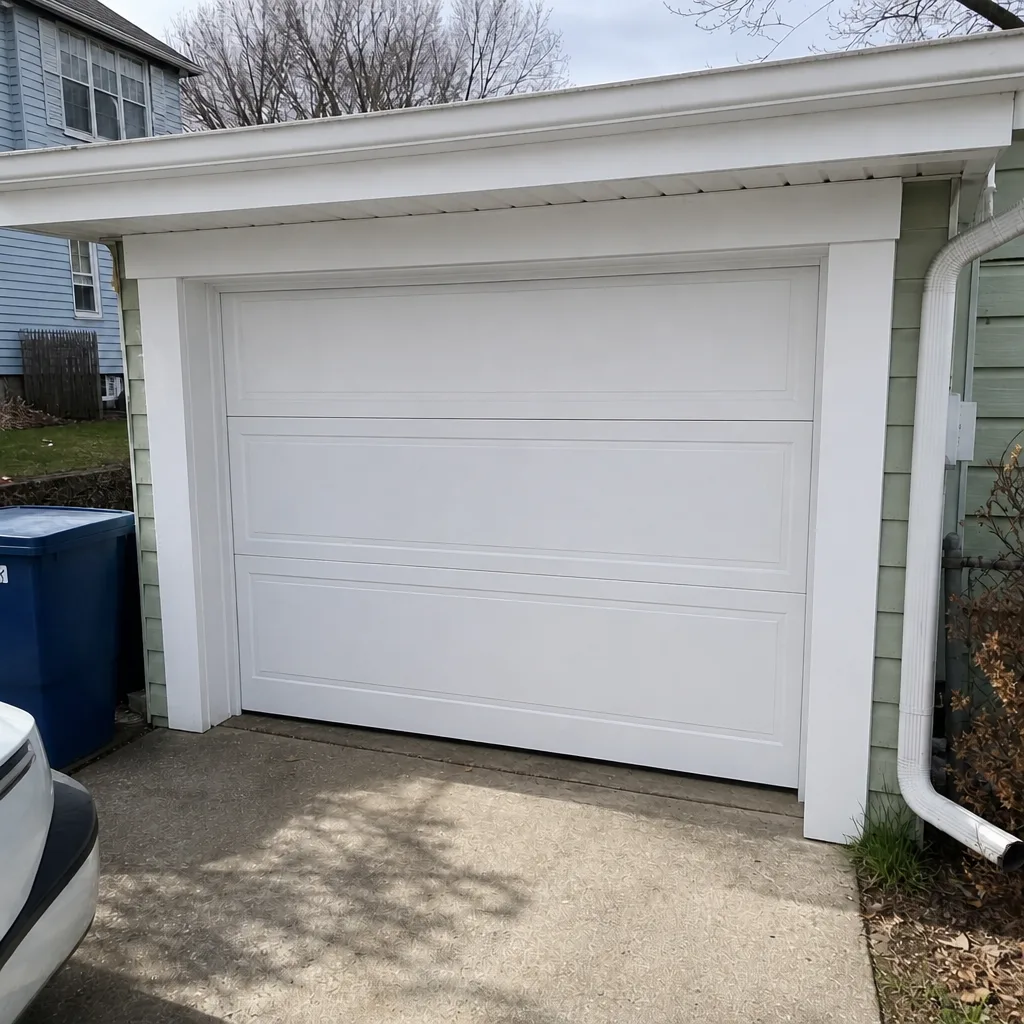 After
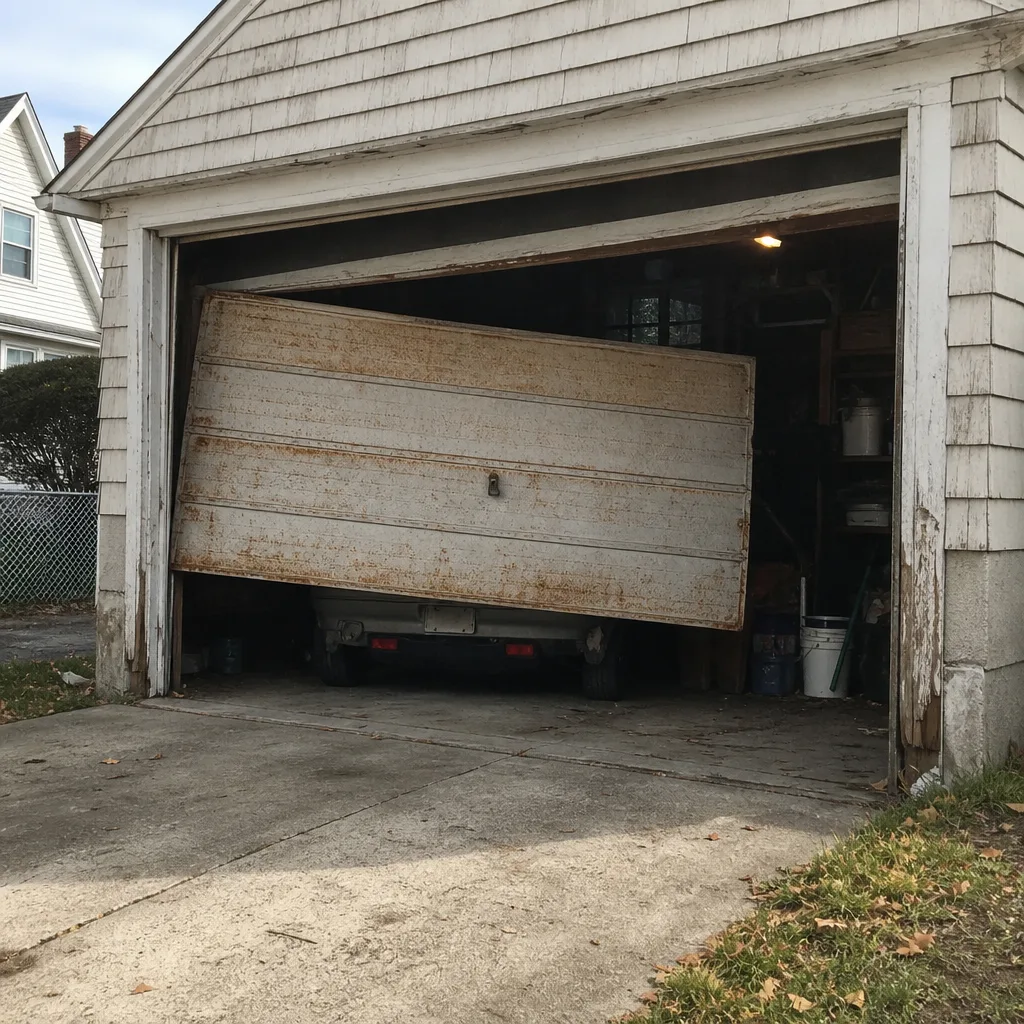 Before
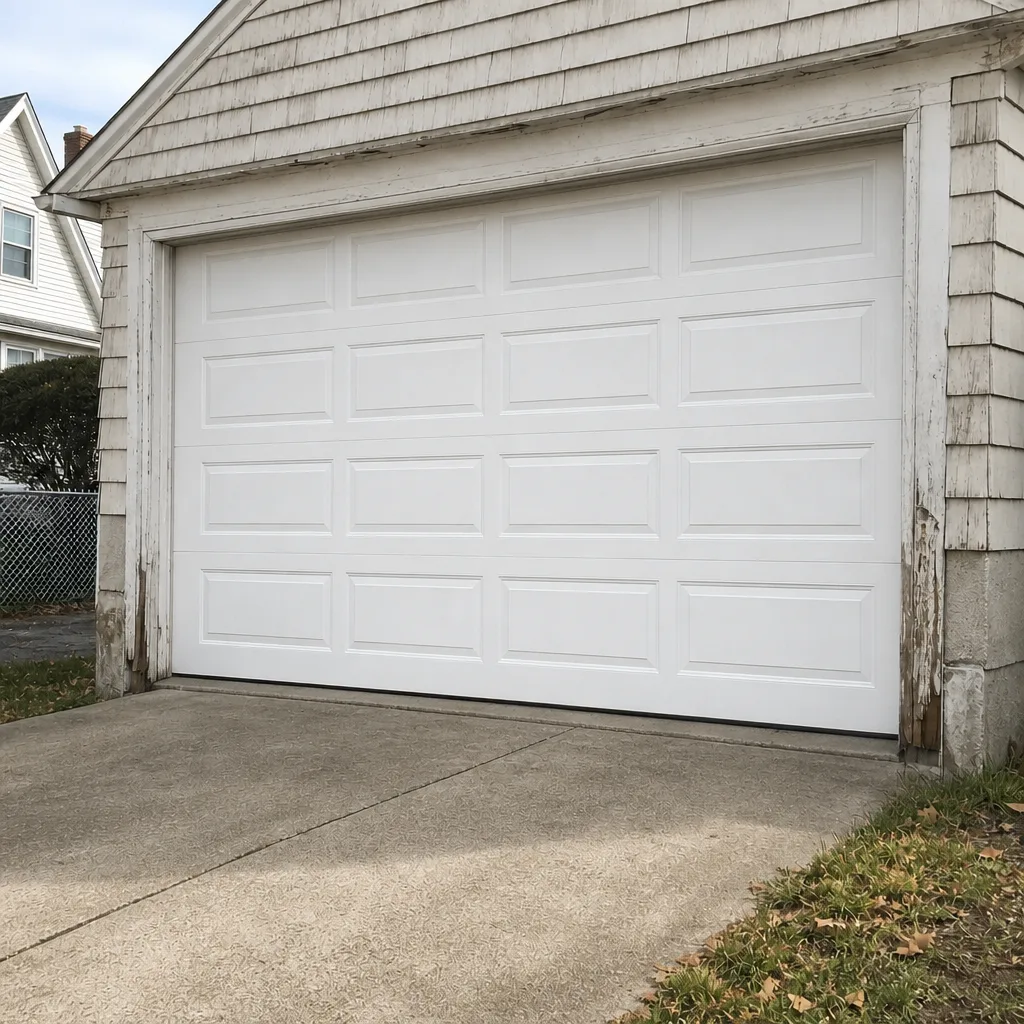 After
How do you know when a garage door problem is actually an emergency?
A garage door problem is an emergency when the door is stuck open and the garage or house is exposed, when the door is stuck closed and you need the car to leave, when a spring or cable has failed, or when the door is off its tracks and unstable. Everything else can usually wait for a scheduled repair.
The distinction matters because it changes what we recommend and how you should handle the door in the meantime. A dead opener is inconvenient but safe to work around with the manual release. A snapped spring is dangerous and requires trained hands. A door that’s off its tracks is both dangerous and a security exposure if it’s stuck open.
Here’s how to think about it:
- Genuine emergency: door stuck open and exposed to weather or intrusion, door stuck closed and blocking your exit, broken spring or cable, door off its tracks.
- Same-day priority: opener dead, door reverses on closing, remote or wall control not working, door operating but noisy.
- Scheduled repair: a slow or grinding door, a door that’s hard to open by hand, a worn bottom seal, a panel with cosmetic damage.
If you’re not sure, call. Describing what the door is doing lets us tell you in a couple of minutes whether it can safely wait or needs a technician today. That’s part of the service, and it’s free. Our team handles spring repair as a specialty, so we know exactly which symptoms point to a dangerous failure versus a routine one. For a full new installation or a panel replacement, we’ll schedule a measure and a written price rather than promise same-day work – that’s a measured, ordered job, not an emergency call.
Common Mistakes to Avoid
- Forcing a stuck manual release. If the red cord won’t pull, the door is likely under tension or binding. Pulling harder can bend the carriage or strip the trolley; stop and call for repair instead.
- Trying to close a door with a broken spring. Without a working spring, the door’s full weight is unsupported. Leave it open and call a professional from Lynn Garage Door Repair Co rather than risking the door coming down hard.
- Assuming the opener re-engaged because it runs. After a power outage, push the carriage back toward the opener until it clicks and test by hand before using the remote.
- Chipping ice with a metal tool. In Lynn winters, a shovel or metal scraper against the bottom seal or sensors can damage both. Clear snow with a plastic shovel and service the sensor alignment if the door keeps reversing.
- Ignoring a door that reverses on closing. A reversing door usually points to a sensor or balance problem, and during a storm it means the garage stays open. Secure the door and get it looked at rather than treating it as a quirk.
- Not knowing your brand before you call. Telling us the door and opener brand up front helps the technician bring the right parts for a Clopay, Amarr, LiftMaster, or Chamberlain system instead of making a second trip.
- Touching a spring or cable. These components hold stored energy even when the door is down. They’re the single most dangerous part of the system and always a job for a trained technician.
When to Call a Professional
Call a professional when a spring or cable has failed, when the door is off its tracks or hanging crooked, when the door won’t close and you can’t secure it, or when you’ve tried the manual release and the door still won’t move. These are situations where working on the door yourself can cause injury or further damage. We also handle the less urgent cases – a noisy opener, a door that reverses, a panel that’s cracked, a full new installation – as scheduled work with a free measure and a written price. Lynn Garage Door Repair Co offers free estimates in Lynn. Call (866) 570-7585. We answer 24/7. Fast dispatch from 7am to 7pm, Sunday through Friday. The price is quoted and agreed before any work starts, and the written estimate sets the final price.
Frequently Asked Questions
Spring repair in Lynn typically runs $180-$340 for a single spring, with a matched pair usually replaced together at roughly twice that. The written estimate sets the final price, and we agree it with you before any work starts. Call (866) 570-7585 for an exact quote – estimates are free.
Same-day service is available for stuck doors, broken springs, and doors that won’t close. Call (866) 570-7585. We answer 24/7. Fast dispatch from 7am to 7pm, Sunday through Friday, and a call outside dispatch hours is booked into the next opening. Installation and replacement work is measured and scheduled rather than same-day.
The manual release is a red cord hanging from the trolley carriage, usually near the door’s center. Pull it straight down to disconnect the door from the opener, then lift the door by hand. If it won’t pull freely, don’t force it – call for repair.
Keep everyone clear of the door and don’t try to close it by hand. A door with a broken spring is unbalanced and can come down hard. Call for emergency repair rather than attempting the job yourself. Call (866) 570-7585 and we’ll get a technician out.
No – the written estimate sets the price, and we agree it with you before any work starts. If we find something additional during the repair, we’ll talk it through with you before touching it. Call (866) 570-7585 for a free estimate.
The local professional who comes to your home is licensed and insured as their state requires. Our technicians have up to 14 years of experience, and spring work is handled as a core specialty rather than an afterthought. Call (866) 570-7585 with any questions before booking.
The Bottom Line
Garage door emergencies in Lynn follow a predictable set of scenarios, and the homeowners who handle them best are the ones who prepared before the storm hit. Find your manual release cord and test it on a calm day. Know how to secure a door that won’t close. Understand that a snapped spring or a door off its tracks is a lockout, not a DIY project. Have your door and opener brands ready when you call. Those four habits turn a two-hour panic into a four-minute fix. For repair, spring replacement, opener service, or a new installation, call Lynn Garage Door Repair Co at (866) 570-7585 for a free estimate.
Written by the team at Lynn Garage Door Repair Co.